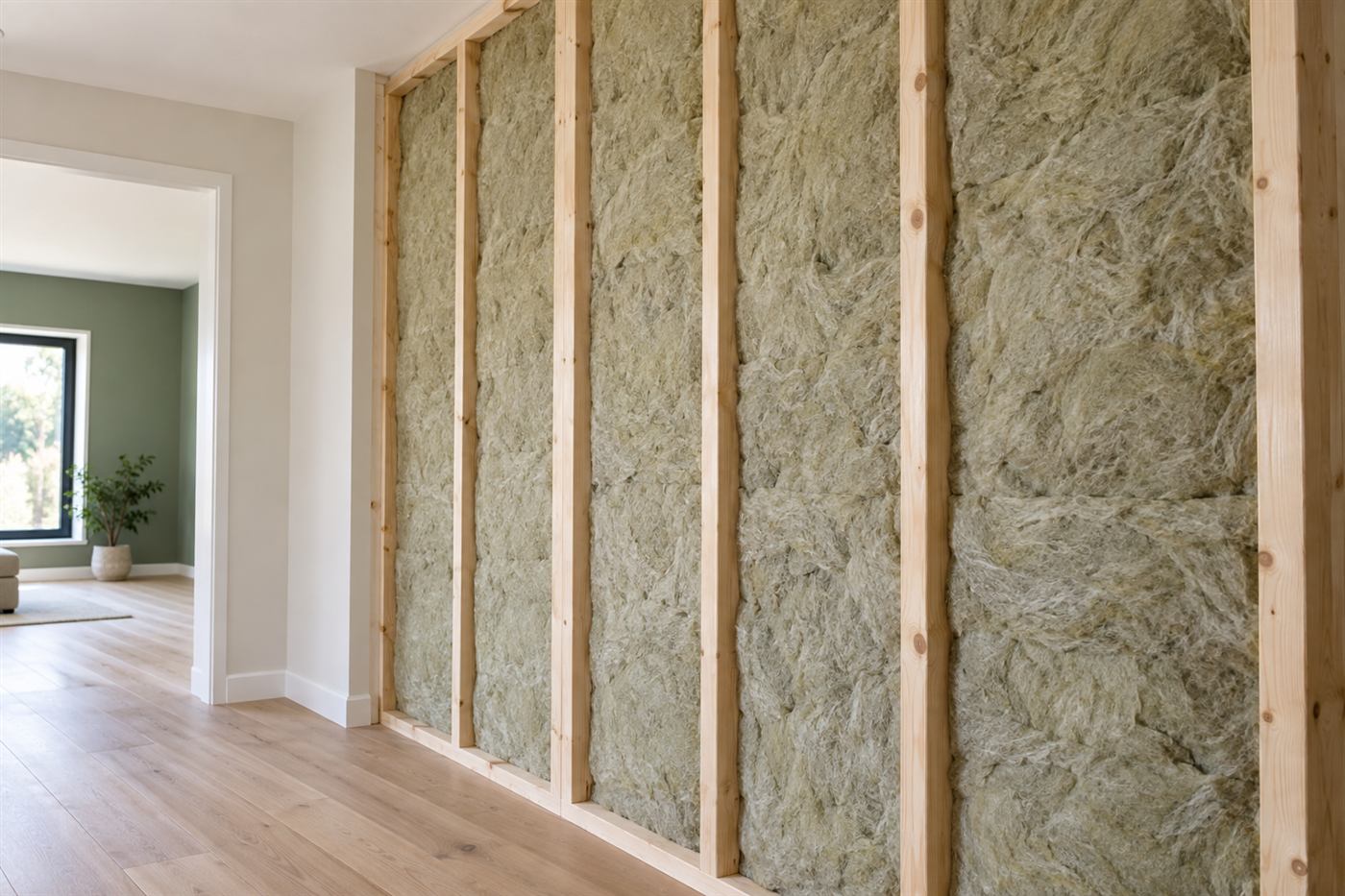
What makes insulation in Aventura different
Most cities in South Florida are built around single-family houses with their own attics. Aventura is different. A large share of its housing is condominium and townhouse living, built in waves from the 1960s through the 1980s and later, with towers along the water and lower-rise communities set back from it. That mix changes almost every insulation question.
In a tower, you may not own the roof, the exterior walls or even the slab above you. In a townhome, a shared roofline and party walls with neighbors limit what can be changed without coordination. In a single-family home on a canal or on a quiet street inland, the usual attic questions apply, but salt-laden air and constant humidity from the water raise the stakes for moisture control.
The right starting point is therefore not a product, it is a map of what you actually control. A technician can only help once you know whether you are dealing with an attic, a top-floor ceiling under a roof deck, interior walls, a garage, or simply the inside of a unit where the association controls the envelope.
If you are not sure, call and describe the building. The first conversation is about identifying which of those situations you are in, and whether an on-site visit would help.
Condos and towers: what you can and cannot change
In a condominium, the association typically owns and maintains the roof, exterior walls, windows and common structure. Unit owners control what is inside the unit boundary, which usually means interior drywall, flooring and fixtures. Insulation in the roof or the exterior wall cavity is generally not yours to change, even if it is the cause of a hot or cold room.
What you can often do is address the parts that are within your unit: air leakage around outlets and switch boxes on exterior walls, gaps around plumbing penetrations, weatherstripping on doors and the interior side of closets that back onto hot exterior surfaces. Sound control between units is another popular request, using insulation in non-structural partition walls where the association allows it.
Top-floor units sometimes have access to a limited attic or a plenum above the ceiling. Entering it usually requires association approval, because it may contain building systems, fire-rated assemblies or shared plumbing. Always ask management first. Our page on insulation for condos explains the approval steps, what to ask the board and what documents a contractor may need.
Even when the work is small, a written request to the association, a description of the scope and proof of insurance from the contractor are normal. Plan for that paperwork before you pick a date.
Townhomes and 1960s to 1980s buildings
Aventura has many mid-rise garden buildings and townhomes from the decades when South Florida expanded quickly. Construction in that period was often concrete block with a flat or low-slope roof, and insulation standards were far lower than they are today. Some units have almost nothing above the ceiling, and others have thin layers of old batt or loose material that have settled or been disturbed by trades over the years.
In a townhome with its own roof section, the attic may be shallow and divided by fire walls that run between units. Those divisions limit where material can be placed and where a technician can crawl. Fire-rated walls must not be breached carelessly, so any penetration needs proper sealing.
Older buildings may also have aging ductwork running through the same space. Flexible ducts that sag, split or lose their wrap waste cooling and sweat in humid conditions, wetting the insulation around them. The problem page on sweating ductwork in the attic describes what that looks like and why it matters.
Where there is accessible space, adding blown material over a clean, sealed floor is often the simplest improvement. Where there is not, you may be limited to targeted fixes. A technician can explain which category you are in once they have seen the space.
Salt air, humidity and the Intracoastal effect
Aventura sits close to saltwater, and that shows up in the details. Salt in the air accelerates corrosion on metal components: vent screens, nail heads, fasteners, ductwork fittings and electrical hardware in attics. Insulation itself is not corroded, but the things around it can be, and a corroded fastener or damaged vent can let in moisture.
Humidity is the larger daily factor. Air near the water holds a lot of moisture, and when that air touches a cool surface such as a cold duct or an air-conditioned ceiling, condensation forms. Insulation that is poorly installed, compressed or missing around ducts leaves cold spots where this happens.
A tight, well-insulated envelope helps keep that humid outside air from reaching cool surfaces, but only if air sealing is part of the work. Insulation without sealing slows heat but not air, and moist air leaks right through it. This is why we describe air sealing first on our air sealing page and treat insulation as the second step.
If you have noticed musty smells, damp-feeling closets, or peeling paint on a ceiling near an exterior wall, mention it when you call. Those are clues about where moisture is entering, and they help the technician decide where to look first.
Single-family homes near the water
Aventura also has single-family neighborhoods, including homes with docks and canal frontage. Many are concrete block ranch homes or two-story houses with tile roofs, and several have been renovated or enlarged over the years. Additions are worth extra attention, since they often have different framing, different ceiling heights and different attic access than the original house.
In these homes, the usual attic story applies. The question is how much insulation is present, how evenly it is spread and whether air leakage through the ceiling is moving humid air into the attic. Large open great rooms with high ceilings and recessed lighting create many leakage paths, and canned lights that are not rated for insulation contact need to be handled carefully.
Tile roofs shed storms well but they are heavy and can limit access. An attic under a tile roof may have low clearance, so a crew needs to plan the hose route and the staging. Knowing whether you have a hatch in a closet, a pull-down ladder or an exterior access point helps the planning.
For those thinking about foam on the roof deck, our spray foam page explains the unvented approach and why roof condition and insurance should be settled first.
Windows, glass and heat gain in the sun
Aventura is known for sunlit units with large glass areas facing the water. Glass is usually the biggest source of heat gain in such a space, and no amount of insulation in the walls or ceiling will fully offset a west-facing wall of glazing at four in the afternoon.
That does not make insulation irrelevant. It means expectations should be realistic. Insulation reduces the heat that moves through walls, ceilings and roofs, while shades, tinting and impact-rated glazing address the sun coming through windows. A sensible plan usually involves both, and you should be wary of anyone promising a dramatic change from insulation alone.
Rooms that stay hot even though the air conditioner is running are worth investigating. The cause can be solar heat through glass, a duct that does not deliver enough air, or a ceiling that is gaining heat from a hot space above. Our guide on uneven room temperatures walks through the common causes and what can be checked in each case.
A technician can help sort out which cause is likely in your unit and whether insulation is the right tool at all. If it is not, saying so is part of an honest assessment.
Noise: planes, boats, traffic and neighbors
Residents in a dense, busy area often ask about sound as much as heat. Traffic on the main roads, nearby air traffic, boat engines on the waterway and sounds from neighboring units all make their way into rooms. Insulation helps with some of these and not others.
Insulation in interior partitions and ceiling cavities reduces airborne noise passing between rooms and floors, particularly voices and television. It does little for impact noise such as footsteps from the unit above, which depends on flooring and structure, and it cannot stop low-frequency rumble from large vehicles or aircraft.
If you want to improve privacy between bedrooms and living areas inside a house, adding insulation to interior walls can help, and our page on soundproofing insulation options explains realistic expectations. Gaps around outlets, doors and ceiling fixtures also pass sound, so sealing them is part of the answer.
In a condo, any work inside a shared wall or floor assembly needs association approval, and some buildings have rules on flooring and acoustic treatments. Check before buying materials or scheduling work.
Permits, association rules and getting access
Permit requirements for insulation work depend on the scope and on the city or county building department. Pure insulation is often simple, but roof penetrations, structural changes and electrical or mechanical work may need approval. Our guide to permits for insulation work explains how to ask the right questions.
In Aventura, the association is often the first gatekeeper. Many buildings require contractor insurance certificates, restrict work hours, control elevator use for materials and demand advance notice. A contractor accustomed to working in tall buildings will ask about these early, because delivery logistics can shape the schedule more than the work itself.
If your building has a loading dock or service elevator with reserved times, find out how to book it. Protective coverings for hallways and elevators are often required. Debris removal must follow association rules, and trash chutes are typically not for construction waste.
None of this is difficult, but all of it takes lead time. Start the conversation with management before you call a contractor, or bring them into the conversation early so that their requirements are known before a date is set.
Storms, wind and the high-rise environment
Living above the ground floor changes how weather reaches you. Wind speeds increase with height, and rain driven against a tower wall can find its way around window frames, sliding doors and balcony thresholds that would stay dry at ground level. Water that enters a wall cavity may travel before it appears as a stain, so the visible damage is often far from the actual opening.
If you notice staining, bubbling paint or a damp smell near a window or balcony door after a storm, report it to the association in writing and photograph it with the date. The association is generally responsible for the exterior envelope, and early reporting helps them trace the entry point.
Inside the unit, avoid sealing or insulating over a wall that is damp. Moisture trapped behind new material becomes harder to find and can feed mold. Wait until the source has been repaired and the wall is dry, then discuss insulation and sealing with a technician.
Our seasonal page on checking insulation before hurricane season offers a simple routine, and much of it applies to townhomes and single-family homes in the area. For tower residents, the equivalent routine is checking window edges, balcony doors and ceiling corners after each major storm.
What a first conversation and visit look like
The best way to start is a short phone call. Describe your building type, whether you own the roof or ceiling space, what is bothering you and whether there have been any leaks, odors or pests. The more detail you give, the better the technician can say whether insulation is likely to help and what would need to be checked.
If a visit makes sense, a technician will look at the accessible space, check for moisture and damage, note existing material and depth and discuss options with you. A service call charge applies, and it is explained on the phone before dispatch. For anything more complicated than a simple top-up, an on-site look is how the quote becomes realistic.
Be ready with a few practical items: access instructions for the building, a contact for management, the unit number and any rules on work hours. If your association needs a certificate of insurance, ask the contractor how to request one.
When you are ready to talk it through, call. The conversation is a simple way to clarify what you can and cannot change in your building.
Questions people ask
Can I add insulation to my Aventura condo myself?
Inside your unit, you can often seal small gaps or add material to interior walls, but the roof, exterior walls and anything above the ceiling usually belong to the association. Always ask management before opening a ceiling or entering shared space. Unapproved work can create problems with fire-rated assemblies and with your association's rules.
Will insulation reduce noise from the water, traffic or neighbors?
It can reduce airborne sound passing through interior walls and ceilings, such as voices and television, but it does little for footsteps or low-frequency rumble. Sealing gaps around outlets, doors and fixtures helps as much as the insulation itself. A technician can explain what is realistic for your room before you commit to any work.
Does salt air damage insulation?
Salt air mainly corrodes metal parts around the insulation, such as vent screens, fasteners and duct fittings, which can open paths for moisture. The insulation itself matters less than keeping the attic dry and the metal components sound. If you see rust or stains in an attic, mention it when you call so it can be checked.
My top-floor unit is hotter than the others. Is it the insulation?
It can be, since a top floor sits under the roof and gains heat from above. It may also be sun on large windows, a weak duct or a sealing problem. A technician can look at what is above your ceiling, if you are allowed access, and help work out which cause is most likely. Check with the association before anyone enters shared space.
What does my building association usually require from a contractor?
Requirements vary, but common items include a certificate of insurance, advance written notice, limited work hours, elevator reservations and hallway protection. Ask management for the contractor rules in writing before you schedule. Giving the contractor those rules early prevents delays on the day of the work.
How do I get a quote for insulation in Aventura?
Quotes are given by phone, and complicated jobs begin with an on-site visit so the space can be seen. There is a service call charge, which is explained on the phone before anyone is dispatched. Call with a description of your building and the issue, and the next step will be explained plainly.
Describe the situation by phone and we will tell you what the job involves. Quotes are given by phone. Jobs that cannot be quoted without seeing them need a technician on site, and the service call charge is explained on the phone before anyone is dispatched.
(561) 854-1888