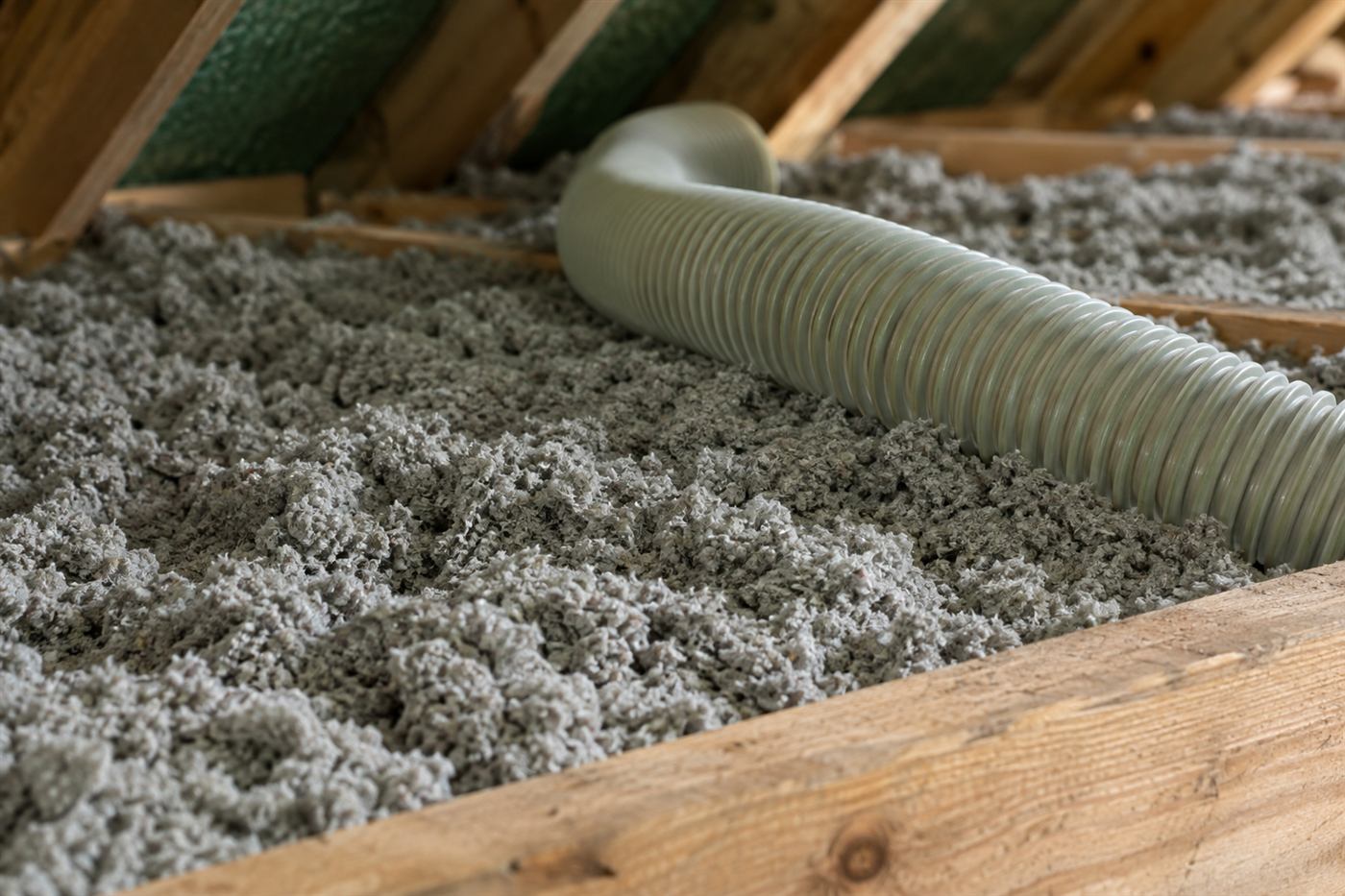
Why the wet months stress attics
The rainy season brings frequent, heavy storms and humidity that rarely drops. For an attic, that means two kinds of moisture. Liquid water arrives through roof defects, flashing gaps, failed seals and sometimes wind-driven rain through vents. Water vapor arrives through humid air that is already inside the attic and condenses on cool surfaces.
Both do harm. Liquid leaks soak insulation, stain ceilings and can reach wiring and framing. Vapor lingers in poorly ventilated attics, dampens insulation from the inside and gives mold a place to start on wood and drywall. Because the attic is out of sight, the problem can run for weeks before you notice a stain or a smell.
A little planning before and during the wet months catches most of this early. The goal is not to turn you into an attic inspector. It is to help you notice the signs from ground level, take a safe first look where appropriate and know when to bring in a professional.
Signs of trouble you can see from inside the house
The first clues are usually on ceilings and walls. Look for brown, yellow or gray stains, especially after a heavy rain, and check whether they grow or fade. Bubbling or peeling paint, a soft or sagging ceiling patch and visible drips are all reasons to act quickly.
Smell matters too. A musty, earthy or stale odor in a closet, hallway or the room under the attic hatch suggests moisture is present somewhere above. Humidity-related signs include windows that stay fogged, a damp feel in the air and condensation on cold surfaces.
Also notice how the cooling system behaves. If the air conditioner runs more than usual in wet weather without making the house comfortable, humidity may be getting into the building envelope. Take notes about when signs appear, how soon after rain and in which rooms. That timeline is very helpful to a technician.
- Ceiling stains that darken or spread after storms
- Bubbling or peeling paint, or a soft spot in drywall
- A musty odor near the attic hatch or in upper closets
- Persistent humidity, fogged windows or damp-feeling air
- Drips or damp patches around light fixtures or vents
Safe checks from the attic hatch
If you feel comfortable, you can take a quick look from a stable ladder at the hatch opening during daylight, using a flashlight. Do not step into the attic. Look for darkened or matted insulation, drip marks on wood, water stains on the underside of the roof deck and any shiny, wet surfaces on ducts.
Check whether insulation looks flat, clumped or discolored compared with dry areas. Wet insulation often looks dense and heavy. Notice if there is a distinct smell and whether any pests have left droppings, since moisture and rodents often go together.
If you see active dripping near wiring, junction boxes or light fixtures, treat it as an electrical hazard. Turn off power to that area at the breaker if you can do so safely, stay clear of the wet spot and call a professional. If there is any sign of structural damage, such as a sagging ceiling, keep people out of that room. In an emergency, call 911.
Roof leaks versus humidity: telling them apart
A roof leak usually shows up as a localized stain that appears or worsens soon after rain, often below a vent, chimney, skylight, valley or a spot where shingles or tile are damaged. The wood around it may be dark and the stain edge often has a defined ring.
Humidity and condensation problems are more widespread. Several areas may be slightly damp, ducts may sweat and the wood on the underside of the roof deck may look dark or fuzzy across a broad area, even in weather with little rain. These problems tend to ease in dry seasons and return in wet ones.
The two can overlap. A small leak can raise humidity in a poorly ventilated attic, and a humid attic can hide a small leak. Roof repair belongs to a roofer, and a good insulation technician will say so openly. What they can do is document the attic condition and flag what a roofer should look at. For more, see our page on moisture in attic insulation.
Sweating ducts and air conditioning in humid weather
Cold air ducts running through a hot, humid attic are prime locations for condensation. When the outer jacket is torn, missing or poorly sealed, humid air touches a cold metal or flexible duct surface and water forms. The drips can wet insulation below, stain ceilings and sometimes mimic a roof leak.
Condensation may also occur around the air handler, at the drain pan, or where a duct meets a register boot. If the drain line is clogged, water can overflow from the pan. These are mechanical matters that an air conditioning professional handles, but they often show up first as ceiling stains and wet insulation.
A technician can check duct wrap condition, look for obvious drips and tell you whether the cause appears to be insulation, ductwork or drainage. Our page on sweating ductwork in the attic explains what is usually involved and what to expect.
What wet insulation does and when it must go
Insulation works by trapping still air. When it is wet, the water replaces that air and the material loses most of its ability to slow heat. Some types dry out and recover, while others stay compressed, hold moisture or grow mold. Which one you have matters.
Fiberglass can sometimes dry when the source is stopped and conditions are good, though it may stay matted. Cellulose tends to hold water, can compress and is more prone to mold if it remains damp. Foam behaves differently depending on its type. Closed-cell products resist water absorption, while open-cell can absorb it.
If insulation has been soaked, smells musty or has stayed damp, it usually needs to be removed and replaced after the water source is repaired. Leaving it can keep the structure damp, invite mold and reduce comfort. The decision belongs on site, after someone has seen the extent. See also insulation after water damage.
Mold concerns and what is reasonable to do
Mold needs moisture, organic material and time. Attic wood, drywall paper and certain insulation types can all support it. Not every dark patch is mold, and not every mold patch is dangerous, but a persistent musty smell with visible fuzzy growth deserves attention.
Do not disturb suspected mold by scrubbing or blowing dust around, and do not enter the attic to clean it up without proper protection. Stirring up spores can spread them into the house. People with asthma, allergies or weak immune systems should stay away from affected areas.
A technician can note the visible signs and explain what may help, such as stopping the moisture source, improving ventilation and replacing affected insulation. Testing and remediation are separate specialties, and we will tell you when that is the right next step. Our page on attic mold smell covers this in more detail.
Roof penetrations and the places water likes to enter
Most roof water problems start at a penetration or a joint, not in the middle of a plain roof surface. Plumbing vents, exhaust stacks, chimneys, skylights, satellite mounts and the edges where a roof meets a wall all depend on flashing and sealant that age in sun and storms. When one of them lets go, water runs along framing before it drips, so the stain on your ceiling can be several feet from the real opening.
Tile and shingle roofs fail in different ways. Tile can crack or slip while the underlayment below does the real work of shedding water, so a small defect may not leak until the underlayment ages or a storm drives rain sideways. Shingles curl, lose granules or lift in strong wind. Flat and low-slope sections can pond water if drainage is poor.
From the ground you can spot slipped tiles, lifted shingles, rusted flashing and debris in valleys. Do not climb on a wet roof. A roofer is the right person to repair these, and an insulation technician can tell the roofer where moisture has already entered the attic so the search is shorter.
Bathroom fans, dryers and other hidden moisture sources
Not all attic moisture comes from outside. Bath fans, kitchen hoods and dryer vents that end in the attic or soffit instead of the open air release steam directly into a space that cannot absorb it. Over a wet season this can soak insulation and darken the wood above the bathroom while the roof stays perfectly dry.
Check that each fan duct runs to a proper roof or wall outlet, that the duct is connected at both ends and that it is insulated where it passes through hot attic air. A disconnected flexible duct is surprisingly common, and it quietly dumps humid air right onto the insulation.
Humid indoor air can also leak upward through ceiling gaps. Running the air conditioner at a steady, reasonable setting, using fans in wet rooms and sealing ceiling penetrations all reduce the amount of moisture that reaches the attic in the first place.
A simple wet-season routine for owners
Build a short routine around the season. Before the heavy rains begin, check ceilings for old stains, look at the roof from the ground for missing shingles, cracked tiles or loose flashing, clear gutters if you have them, and make sure the air conditioner drain line is flowing. During the wet months, check ceilings after major storms and note any new marks.
After a stretch of rain, walk through closets and rooms under the attic and look for smell or dampness. Keep soffit vents unblocked and avoid stacking stored items against the ceiling hatch. Run bath fans after showers so humid air does not drift upward, and make sure those fans vent outside rather than into the attic.
If anything seems off, photograph it with a date and call. Early records make repair decisions easier, and they are useful for roofers and for any insurance conversations. Our guide on insulation and insurance claims explains what documentation tends to help.
How a moisture visit works
On arrival, the technician asks where and when you saw stains or smelled moisture, how the cooling system has behaved and whether the roof or air handler has been worked on recently. They then look at the attic from the access point and, where safe, around the framing.
They check insulation type and condition, the underside of the roof deck, duct wrap, vent paths and fixtures. They may use a moisture meter to compare readings between areas, which helps distinguish a dry stain from an active one. They also note pest evidence and anything that looks like an electrical concern.
Afterward you get a plain explanation of what they found and the options, which might include insulation replacement, ventilation changes or a recommendation to see a roofer or air conditioning professional first. Quotes are given by phone after the details are clear. More complex jobs need an on-site visit, and there is a service call charge explained on the phone before dispatch.
When to call and what to have ready
Call when you see a stain that grows, smell mold or damp insulation, hear dripping, notice sweating ducts or simply want the attic checked before the season peaks. Do not wait for a ceiling to sag, because wet drywall and insulation get heavier and the repair grows.
Have ready the rooms and dates you noticed signs, whether the roof is recent or older, the type of roofing and whether you have had any recent air conditioning service. Photos from inside the house and from the attic hatch, taken safely, help a lot. Clear the path to the hatch so the technician can get in without moving furniture.
If you are also thinking about storm readiness, see our page on pre-hurricane-season insulation checks. When you are ready to talk it through, call and describe what you have seen, and we will explain what a visit involves.
Questions people ask
How can I tell if a ceiling stain is from the roof or from ducts?
Roof leak stains tend to appear soon after rain and sit below a roof feature, while duct condensation stains follow humid, hot days and sit along a duct route. They can overlap, so a technician looks at the attic to tell. A roofer handles roof defects, and an air conditioning professional handles duct and drain problems.
Does wet insulation always have to be replaced?
Not always, but often. Insulation that was briefly damp and dried may recover, particularly fiberglass. Insulation that stayed wet, smells musty or has clumped usually needs replacing once the water source is fixed. The decision depends on type, how long it was wet and what is underneath, so it is made on site.
Is it safe to go into the attic after a heavy rain?
Be careful. Avoid stepping into the attic if you see active dripping near wiring or fixtures, if the ceiling sags or if the air is very hot and humid. A quick look from a ladder at the hatch with a flashlight is safer. If anything seems unsafe, stay out and call a professional.
Can attic humidity cause mold even without a roof leak?
Yes. High humidity, poor ventilation and cool surfaces such as ducts can let moisture build up and support mold growth on wood, drywall and some insulation. A technician can check airflow, duct wrap and signs of dampness, and recommend steps to reduce moisture.
Should I try to dry out or remove wet insulation myself?
It is better not to. Wet insulation is heavy, can hide electrical hazards and may carry mold that spreads when disturbed. You can take photos and shut off power to a wet area if it is safe, then call. A technician will explain what removal and replacement would involve.
How do I get a quote for moisture-related insulation work?
Quotes are given by phone after you describe what you have seen. Complicated jobs need an on-site visit first. There is a service call charge, which is explained on the phone before anyone is dispatched. Call and tell us about the stains, smells or leaks, and we will outline the next step.
Describe the situation by phone and we will tell you what the job involves. Quotes are given by phone. Jobs that cannot be quoted without seeing them need a technician on site, and the service call charge is explained on the phone before anyone is dispatched.
(561) 854-1888Related pages
A weekly rhythm for the wet months
The rainy months reward small, regular attention. Pick one morning each week to do a quick circuit: look at ceilings in every room, check the corners where walls meet the ceiling, and glance at the area around the air handler and any closets. Note any new spots, odors or damp feel. Check the garage ceiling and the walls adjacent to it. After a heavy storm, repeat the circuit that same day, because leaks often show up within hours. Keep a notebook by the door, and jot short entries so patterns become obvious over a few weeks.
Add a few outdoor checks that support the indoor ones. Look at gutters, downspouts and the roof edge for debris or loose pieces from the ground. Make sure vents and soffits are not blocked by plants, nests or paint. Check that bathroom and dryer exhausts discharge outside and that their flaps open and close freely. Clear leaves from the area around the air conditioning condenser. None of this requires climbing onto the roof, and each item helps keep moisture from being trapped in the attic or in the walls.
When something looks off, resist the urge to wait until it gets worse. A small stain that grows after two storms is telling you the roof or a penetration needs attention. A musty odor near the hatch deserves a photograph and a call. Take a note of the weather, since the pattern of when symptoms appear can narrow the cause. When you call, the scope and any quote are explained before work begins, and your weekly notes become the starting point for a focused conversation about what might be happening above the ceilings.