Why flooding changes the insulation conversation
In most homes, insulation sits in dry places and is chosen mostly for thermal performance. In flood-prone areas, the first question is different: what happens to this material when water reaches it? Some products absorb water, stay wet for weeks and have to be torn out. Others shrug off brief contact and dry without lasting harm.
South Florida has several kinds of flooding. Storm surge pushes seawater inland during hurricanes. King tides, the highest predictable tides of the year, can push water up through storm drains and into streets in low coastal neighborhoods even on sunny days. Heavy rain can overwhelm drainage faster than it can clear, and a high water table keeps the ground saturated.
Each type affects different parts of a building. Garages, ground-floor walls, crawl spaces and the lower portions of elevated homes are most exposed, while attics are exposed to roof leaks and humidity rather than rising water. Knowing which risks apply to your property is the starting point for choosing materials.
What king tides do and do not threaten
King tide flooding usually shows up as saltwater in streets, driveways and low yards, sometimes reaching garages and lower-level spaces. It tends to be short-lived, receding as the tide falls, but repeated exposure matters because saltwater corrodes metal, damages finishes and leaves salts in porous materials.
For insulation, the concern is any material in garages, ground-level walls and under-floor spaces that can be wetted. Fibrous materials that absorb water, such as fiberglass batts and cellulose, can become saturated and contaminated with salt and silt. Once that happens, they rarely return to a clean, dry state.
Attics generally sit well above tidal flooding, but high humidity from salty air, roof leaks during storms and wind-driven rain still apply. Our page on the rainy season moisture checklist covers those attic-side concerns.
How different insulation materials react to water
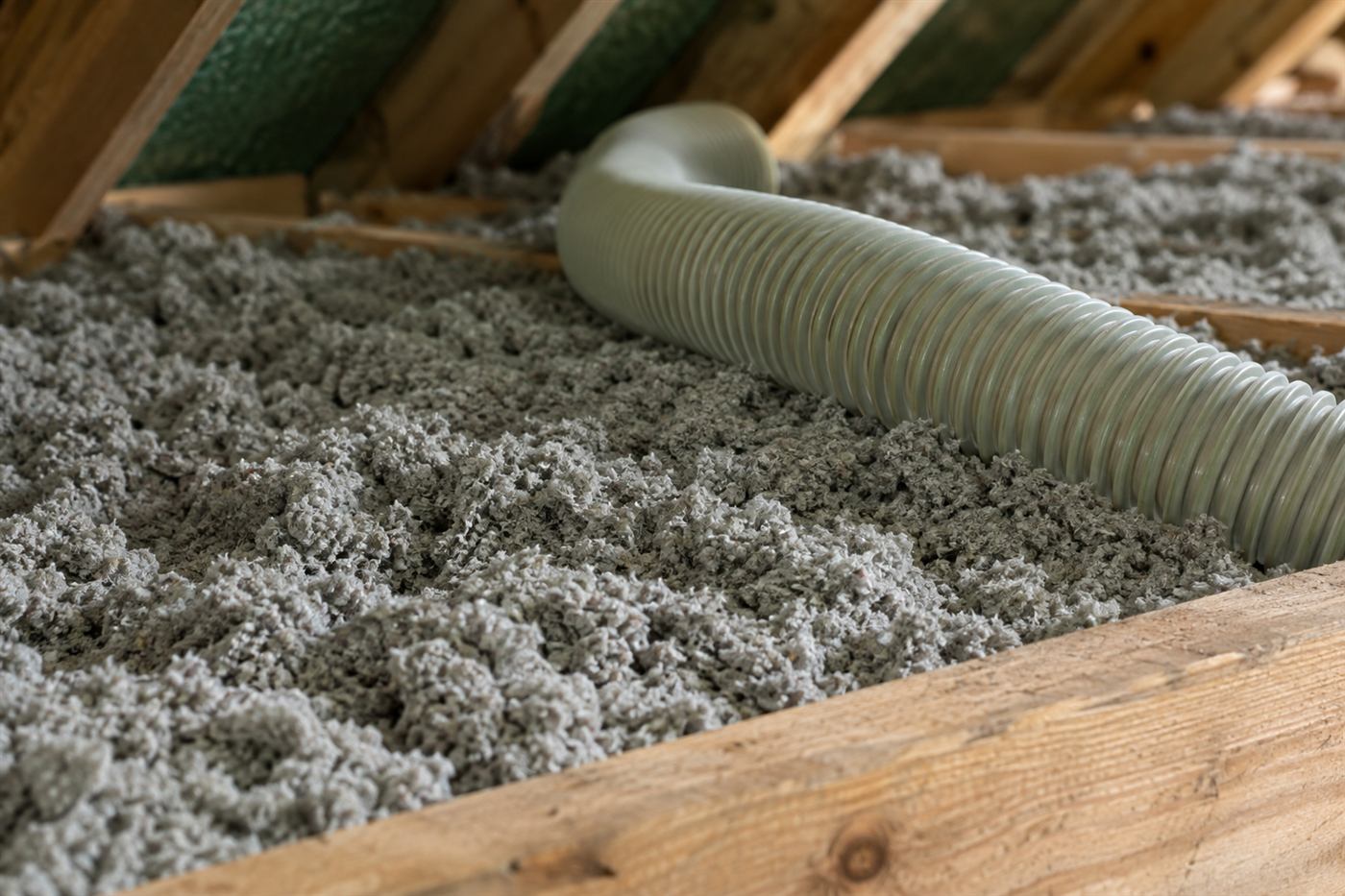
Fiberglass batts can hold water between their fibers. If they are briefly damp and dry quickly, they may recover, but after a flood they are usually contaminated and need removal. Cellulose holds a lot of water, compresses and may grow mold if it stays damp. Both are common and perform well in dry places, which is why they are better suited to attics than flood-exposed lower areas.
Closed-cell spray foam has a dense structure that resists water absorption, and it is often used where moisture exposure is a concern. Open-cell foam is more permeable and can soak water. Rigid foam boards vary by type, with some, such as extruded polystyrene, being water-resistant while others absorb more.
No material is flood-proof in the sense of being unaffected forever, and manufacturers differ in what they claim. What matters is the specific product, how it is installed and whether it can be inspected and dried afterward. A technician can describe what each option tends to do and which fit your situation. For comparison, see our guides on fiberglass, cellulose and foam and spray foam versus blown-in.
| Material | Water behavior | Typical use in flood-exposed areas |
|---|---|---|
| Fiberglass batts | Absorbs and holds water, often needs removal | Better kept to dry attic spaces |
| Cellulose | Holds water, compresses, mold risk if damp | Attics only, not low walls |
| Closed-cell spray foam | Resists water absorption | Considered for garages and lower walls |
| Open-cell spray foam | More permeable, can absorb water | Usually dry attic assemblies |
| Rigid foam board (water-resistant types) | Resists absorption depending on type | Sometimes used on masonry or under floors |
Closed-cell foam and why it comes up so often
Closed-cell spray foam is a frequent topic in flood-prone areas because of its dense, sealed structure. It adds thermal resistance, blocks air movement and, because it does not soak water like fibrous insulation, can be dried and checked after brief exposure. It also adds some rigidity to the surface it is applied to.
It is not a cure-all. It is a more demanding product to install, it must be applied by trained crews under the right conditions, and it is harder to remove if you need access to what is behind it later. It can also trap moisture that is already in the wall if the wall was damp when sprayed, so conditions at installation matter.
Whether it suits your property depends on what you are insulating, where the flood line sits and how the structure is built. A technician will look at the area, ask about past water events and explain whether foam, a water-resistant board or a different strategy fits. Our page on spray foam insulation explains the products and process in more detail.
Elevated construction and where insulation belongs
Many flood-zone homes sit on raised foundations, pilings or elevated slabs, with parking or storage below. In these homes, the floor of the living area is a thermal boundary exposed to open air underneath. Insulation here faces wind, humidity and, in a major flood, water.
Insulation under floors needs support to stay in place and should be selected for its tolerance of moisture. Wood framing should be protected and kept visible for inspection. Any materials placed in the lower area, such as walls around a garage or storage room, should be considered sacrificial or water-tolerant, since after a significant flood they may need replacement along with finishes.
Roof and attic insulation in elevated homes is similar to any other house, though the full exposure to coastal wind and humidity makes ventilation and moisture management more important. Local building rules and flood regulations set requirements for lower-level construction, and an owner should confirm those with the municipal permitting office before major work. Our page on permits for insulation work explains when permits typically come into play.
Garages, ground-floor rooms and enclosed lower areas
In flood-prone properties the garage is often the first place water enters. Walls and ceilings there may be insulated to keep heat from reaching rooms above or alongside. If that insulation is a standard fibrous batt, it can wick water up the wall and stay wet long after the floor dries.
Options include keeping insulation above the expected water line, using water-resistant boards or closed-cell foam on lower sections, and designing finishes so they can be removed and dried. Another approach is to insulate the ceiling of the garage rather than the walls, which keeps the thermal barrier above reach of most flooding.
None of this replaces proper flood protection such as drainage, sealing and elevation. It is about reducing the damage and cleanup if water does arrive. See our page on garage insulation for the thermal side of the question.
- Insulate the garage ceiling instead of lower walls when possible
- Use water-tolerant materials on any section below the likely flood line
- Keep finishes removable so wall cavities can dry after an event
- Avoid placing absorbent insulation in contact with the slab
- Keep records and photos of the installation for later reference
After a flood: what happens to the insulation
After flood water reaches a wall or floor assembly, insulation that absorbed it is usually removed. Floodwater carries bacteria, silt, salt and sometimes sewage, which makes soaked fibrous material a health concern as well as a performance problem. Leaving it in place can keep wood and drywall damp and invite mold.
Removal is more than pulling out wet material. Wall cavities need to be opened, dried and checked for damage before new insulation is added. The pace matters because mold can begin to grow within days in warm, humid conditions, and in this climate that clock runs quickly.
If your property has been flooded, take photographs before anything is disturbed, protect yourself with gloves, boots and a mask if you must enter, and keep electrical systems off until a qualified electrician says it is safe. Our pages on wet insulation after a hurricane and insulation after water damage give a fuller picture of the steps.
Salt, corrosion and the details around the insulation
Saltwater is harder on a building than fresh rainwater. It leaves salts behind as it dries, and those salts attract moisture from the air, which keeps materials damp longer than you would expect. Metal fasteners, wire staples, strapping and the metal framing used in some garages and additions corrode faster in this setting.
That affects how insulation is held in place. In areas exposed to salt, installers pay attention to fasteners and supports that resist corrosion, and to keeping insulation away from direct contact with surfaces that stay wet. Even a water-tolerant board can fail if the fasteners holding it rust through.
Ask any contractor what holds the material up, what touches the slab or ground, and how the assembly can be inspected and dried later. Clear answers to those questions say more about long-term performance than the product name on the label.
Insurance, documentation and the reality of limits
Flood damage and wind damage are usually treated differently by insurers, and coverage depends on your specific policy, which is not something we can interpret for you. What is useful is documentation. Photographs of insulation condition before and after a water event, records of materials installed and invoices all make claims discussions easier.
It is also worth being realistic. Choosing water-tolerant insulation does not make a house flood-proof, and it does not guarantee that nothing will need replacing after a major flood. It reduces the amount of material that has to be discarded and can shorten drying time, which can lower the disruption and cleanup.
If you are making decisions with an eye toward insurance or elevation requirements, speak with your insurance agent and the local permitting office alongside any insulation professional. Our guide on insulation and insurance claims explains what technicians can and cannot document.
Cities and neighborhoods where this matters most
Low-lying areas near the Intracoastal Waterway, canals and the coast see the most frequent water problems, including parts of Miami Beach, Fort Lauderdale and the barrier islands, as well as some neighborhoods further inland where drainage is limited. Older single-story homes closer to grade face different issues than newer elevated construction.
Housing stock shapes the answer. A 1950s block bungalow with a slab floor and a garage at grade faces a different set of choices than a modern elevated home with a lower-level storage area. Condominiums add questions about shared structure and association rules.
Our city pages, such as Miami Beach and Fort Lauderdale, describe typical housing and conditions for each area. A technician who visits your property will look at your specific situation rather than apply a generic rule.
What a visit looks like and how to get started
A visit starts with your history of the property. Has water ever entered the garage or lower walls? How high did it reach? Are there signs of salt, staining or mold? What kind of construction sits at grade, and what is the elevation of the lowest finished surface? These answers shape which materials make sense.
The technician then inspects insulation, wall and floor assemblies, the attic and any lower-level spaces. They look for existing damage, moisture readings, signs of past repairs and the practicality of installing water-tolerant products in each area. They explain what they see and what options fit, including when another trade should be involved first.
Quotes are given by phone after details are known. Complicated jobs need an on-site visit first, and there is a service call charge explained on the phone before dispatch. When you are ready, call and describe your property and its flood history, and we will explain the next step.
Questions people ask
Is any insulation completely flood-proof?
No product is unaffected by every flood, and claims vary by manufacturer. Some materials, such as closed-cell foam and certain rigid boards, absorb far less water than fiberglass or cellulose and are easier to dry. The goal is to reduce damage and cleanup, not to promise nothing will ever need replacing.
Does king tide flooding damage attic insulation?
Usually not directly, because attics sit well above tidal water. King tides matter more for garages, ground-level walls and spaces under elevated homes. Attics are more affected by roof leaks, humidity and storms, so the two areas are treated as separate questions during an inspection.
Should I use closed-cell foam in my garage?
It is often considered because it resists water absorption, but it depends on the structure, the flood history and what you want to achieve. Insulating the garage ceiling instead of lower walls is another approach. A technician can compare options after seeing the space and hearing what water has done there before.
What happens to insulation after floodwater reaches it?
Fibrous insulation that absorbed floodwater is usually removed, because it holds contaminated water and can grow mold. The wall cavity must then be opened, dried and checked before new material goes in. Water-resistant materials may be cleaned and dried in some cases, depending on the type and exposure.
Will water-tolerant insulation lower my flood insurance cost?
We cannot speak to insurance pricing or coverage, which depend on your policy and insurer. What we can say is that photographs, records and invoices for installed materials help in discussions. Talk with your insurance agent about how your policy treats construction choices in flood-prone areas.
How do I get a quote for flood-area insulation work?
Quotes come by phone after you describe the property and its water history. Complicated jobs need an on-site visit first. There is a service call charge, and it is explained on the phone before anyone is dispatched. Call and share what has happened at your property, and we will explain the next step.
Describe the situation by phone and we will tell you what the job involves. Quotes are given by phone. Jobs that cannot be quoted without seeing them need a technician on site, and the service call charge is explained on the phone before anyone is dispatched.
(561) 854-1888Related pages
Choosing materials for places that may get wet
Not every insulation behaves the same way when water is involved, so the choice for a vulnerable space deserves extra thought. Fibrous materials such as fiberglass and cellulose absorb and hold moisture, and once soaked they usually need to be replaced. Rigid foam boards and closed-cell spray foam resist absorbing water and can sometimes survive a brief wetting, though the surrounding framing, drywall and finishes may still need attention. The question is rarely which material is best in the abstract, but which fits the room, its use and the risk of water reaching it.
Think about what happens after water recedes. A material that does not soak up water may be easier to dry, but it can still hide damp framing behind it, and any cavity closed up too soon can hold moisture. Details such as how the material is attached, whether there are gaps at the edges and whether drainage paths are left open all affect the result. Metal fasteners and brackets near the coast also face salt corrosion, so they are worth considering. A realistic plan focuses on materials and details that are easy to inspect and replace.
Be skeptical of any claim that a product makes a space flood-proof. Insulation is one component among many, and flood-resistant construction involves elevation, drainage, wall assemblies, electrical placement and local code. When you call, tell us about the room, how it is used, and any history of water. We will explain what we think is sensible and what may not be worth doing. The scope and any quote are explained before work begins, and you are welcome to consult your insurance agent or a building official before deciding.
Planning around tides, rain and drainage on your lot
Water problems on low properties often come from a combination of factors rather than a single event. High tides can raise groundwater and push water up through storm drains, heavy rain can overwhelm drainage, and wind can drive water against walls. Walk your lot after a rainstorm and note where water collects, where downspouts discharge, and which door thresholds sit lowest. Photographs and a rough sketch of those flows are valuable, because they show where wet conditions are likely to affect garage walls, ground-floor rooms and any enclosed lower spaces.
Insulation decisions then fit into a bigger plan. Grading, gutters, extension pipes, door seals and sump arrangements are mostly outside insulation work, but they strongly influence how often lower areas get wet. If water is a recurring visitor, the best first step may be redirecting it, not changing the wall material. We can look at the interior conditions and describe what we see, and then you can decide whether to involve a landscaper, drainage contractor or engineer. Working in the right order avoids spending on finishes that will be damaged again.
Keep records of any water events, even minor ones: the date, how high the water came, and what it touched. These notes help you and any professional who visits understand the real exposure. They also support any insurance conversation. If you own a property near canals or the Intracoastal, check with local authorities about flood-zone rules that apply to renovations, since some work may be limited or have additional requirements. We are happy to talk through what we see in the building, and to explain tradeoffs honestly without pushing a particular product.