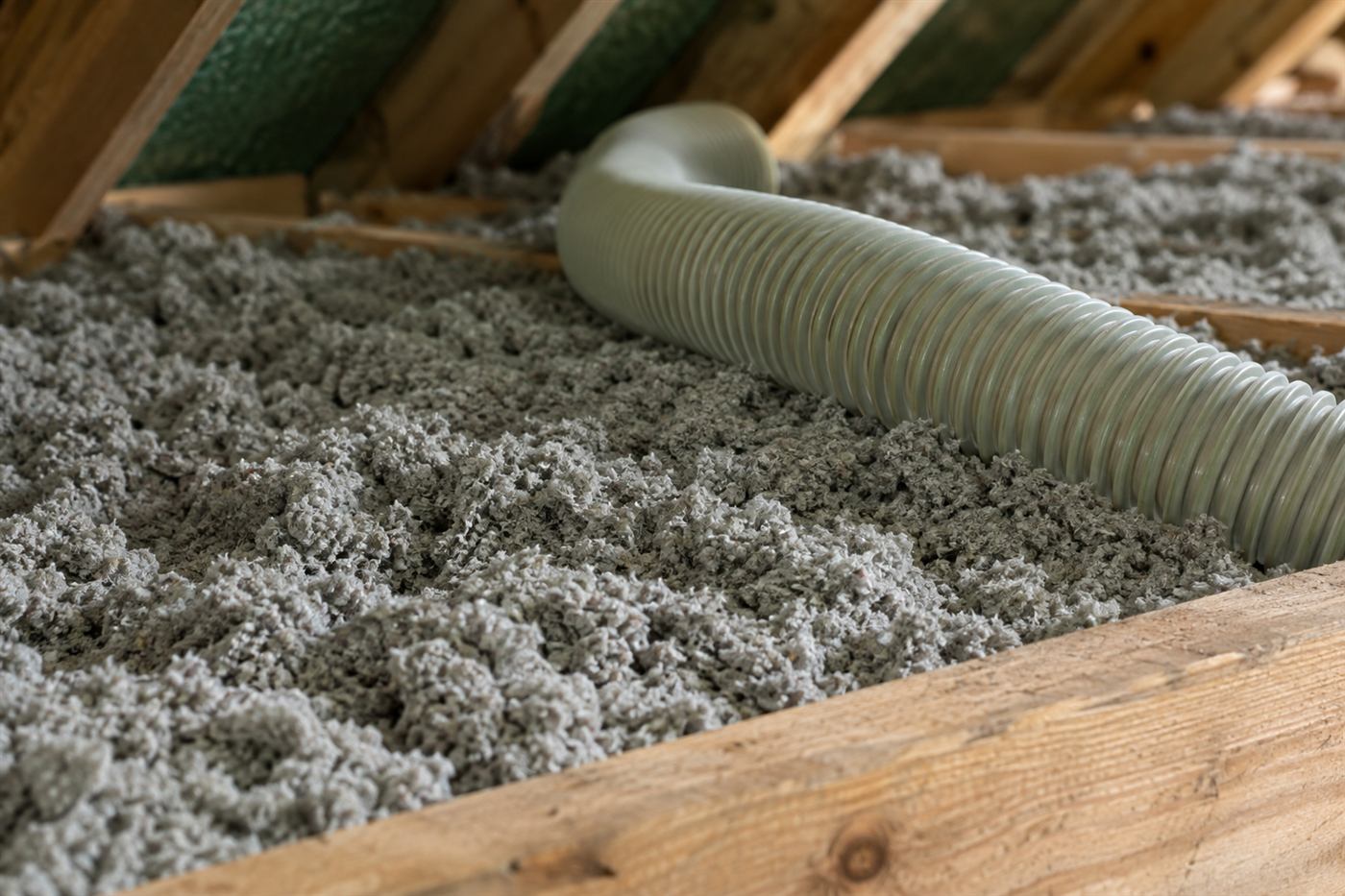
The Boynton Beach housing picture
A large part of Boynton Beach grew up in the 1970s, 1980s and 1990s, and much of it is organized into communities: age-restricted villages with clubhouses and shared amenities, townhome clusters, and neighborhoods of single-story concrete block homes. Many of those houses were built to the standards of their day, which asked far less of insulation than we expect now.
The result is a city with a great many attics that are not failing dramatically but are quietly underperforming. A home with a ceiling that was adequately insulated when new may now have a layer that is half the depth it used to be, with bare patches where wiring, plumbing or air conditioning work disturbed it.
Those quiet shortfalls are what bring most Boynton Beach callers to us. They do not describe leaks or disasters. They describe bills that creep up, a back bedroom that never cools and an air conditioner that cycles longer than it used to. Insulation is one of several possible causes, and it is among the easiest to check.
If this sounds like your house, a visit usually answers the question within a short time, and the findings are explained in plain language so you can decide what, if anything, to do.
Why older blown-in material settles
Loose-fill insulation, whether fiberglass or cellulose, is installed as a fluffy layer with plenty of trapped air. Over many years, that layer compresses under its own weight, from vibration, from moisture cycling and from people walking on it. Cellulose, in particular, is known to settle over time, and the loss of loft means a loss of insulating value.
Settling is not uniform. It is worse where the material was installed deep, where it was walked on, where it got damp and where it sits under areas that vibrate, such as around the air handler. The result is a patchwork: some areas still decent, others little more than a thin crust.
There are other causes of thin coverage. Wind can move light fiberglass near attic vents. Rodents tunnel through material and leave channels. Past repairs often leave the insulation pushed aside and never restored. Over several decades, all of these add up.
A technician measures depth at several points and compares it with what the attic needs. Where there is room, adding new material on top of a clean, dry layer is a normal, sound approach. Our overview of blown-in insulation explains how new material is added and how depth is verified with markers.
Checking from the hatch: what you can safely look at
You can learn quite a lot without going into the attic. Open the hatch, shine a flashlight and look at the surface. You are looking at how the material sits relative to the tops of the ceiling joists. If the joists are clearly visible above the insulation, the layer is thin. If it covers them evenly, it is probably deeper.
- Can you see the tops of the wood joists across most of the floor?
- Is the surface flat and even, or does it look dented, trenched or patchy?
- Is there any dark staining, matted areas or a musty smell?
- Do you see droppings, shredded material or tunnels?
- Are ducts lying on top of the material, or sagging against it?
- Is the hatch cover itself insulated and sealed?
Top-up versus replace: how the decision is made
If the existing material is dry, clean and simply thin, the usual approach is to seal the gaps first and then blow additional material over it. This is quicker, less disruptive and avoids unnecessary waste. It also leaves the old layer in place as part of the total depth.
If the material is wet, moldy, soiled by rodents or compressed into a hard layer, adding on top simply buries the problem. In that case, removal is a better path, and our page about insulation removal and replacement describes how it is done and why the cause of the damage has to be addressed first.
Mixed situations are common. A house may have clean, thin material in most of the attic and a damp, ruined patch beneath a leaking roof vent. The sensible approach is local removal in the damaged area and a top-up elsewhere, and a technician can lay out that plan after seeing the space.
Our guide on how much attic insulation you need explains how depth targets are chosen in a hot climate, and why more is not always automatically better when air leakage and ductwork are the real problems.
Air sealing before you add material
In older Boynton Beach homes, much of the heat gain is not through the insulation at all. It is through gaps. Openings around wiring holes, plumbing stacks, the top of interior walls, recessed light housings, the attic hatch and bathroom fan housings let hot attic air drop into the rooms and cool air escape upward.
Piling more insulation over those gaps helps less than you might expect. Air moves through and around loose material easily. Sealing the gaps first, with appropriate foam, caulk or gaskets, makes the added insulation work properly and tends to improve comfort noticeably in rooms with persistent problems.
This is why we keep air sealing in the same conversation as insulation. Our page on air sealing describes the common leakage points and how they are handled safely, including around recessed lights and flues that must not be covered carelessly.
If you have noticed dust streaks on the ceiling around light fixtures or soot-like lines where drywall meets framing, those are signs of air moving through. Mention them when you call, since they help point the technician to the right places.
Ductwork in older attics
Many Boynton Beach homes have flexible ducts running through the attic, sometimes replaced once or twice since construction. Over time, flex duct can tear, kink, sag, come loose at connections or lose its outer wrap. Each of those failures wastes cooled air and can wet the insulation under and around it with condensation.
Insulation will not fix a duct problem, and a good technician will tell you that. What insulation can do is cover ducts properly where that is part of the plan, keep material from being crushed by ducts lying on the floor and avoid burying air handler access panels.
If a duct is leaking or disconnected, repair it before new material is added, so the leak is not hidden. Our page on sweating ductwork in the attic describes what condensation damage looks like. An air conditioning technician is the right person to repair or replace ducts, and coordinating the two trades avoids rework.
When you call, mention how old the air conditioning system is and whether it has been serviced recently. It is useful background for sorting out why a room is uncomfortable.
Living in a village or age-restricted community
Many Boynton Beach communities have management offices, gates and written rules about contractors. Age-restricted villages often have quiet hours, restrictions on large vehicles and requirements for insurance certificates. None of this is unusual, but it affects scheduling, and it is better to know the requirements before booking.
Ask your management office what is needed for interior work. Some communities do not require anything beyond gate access. Others ask for a form signed in advance, especially if equipment or hoses will cross common areas. Letting the contractor know early keeps the day running smoothly.
Residents who live in a home for many years are sometimes less comfortable climbing into attics, and that is entirely reasonable. You do not need to. A technician will go into the attic and report what they find, with photographs, and you can follow from the hatch or from the images afterward.
If a family member or neighbor helps manage things for you, they are welcome to be part of the call and the visit. Describe who will be on site and who has authority to approve the work.
Comfort, humidity and the cost of doing nothing
Under-insulated attics do not only affect energy use. They affect comfort in ways residents notice: rooms that feel stuffy by midday, ceilings that radiate heat, and an air conditioner that runs long without ever quite catching up. High indoor humidity follows, because a system that cycles on and off to chase temperature does not remove moisture efficiently.
Humidity matters in Boynton Beach, where the air is warm and moist for most of the year. Persistent dampness leads to musty closets, mildew in corners and in the worst cases mold growth. Insulation and air sealing reduce the temperature swings and leakage that help moisture accumulate.
We do not claim that insulation alone prevents mold or cures any health problem, and nobody should promise that. What improved insulation and sealing do is reduce conditions that favor moisture problems. If you already see mold, our page on mold smell in the attic explains what is safe to do and what should be left to professionals.
A roof that leaks or an exhaust fan that vents into the attic is a bigger driver than insulation depth, and those are worth checking at the same visit.
Attic hatches, pull-down stairs and the details people forget
In older Boynton Beach houses, the attic opening is often the weakest point in the whole ceiling. A plain piece of plywood or drywall resting on a frame, with no insulation on top and no seal around the edge, lets heat and humid air move freely between the attic and the hallway. Owners walk past it daily without thinking about it.
A proper treatment adds a rigid insulated cover or a built-up box with weatherstripping around the opening, so the hatch closes tightly and carries roughly the same insulating value as the ceiling around it. Pull-down stairs need a similar insulated cover that sits over the folded ladder, since the stair itself is thin and leaks air around its frame.
Other small items belong on the same list. Whole-house fans, if present, need an insulated, sealed cover during the cooling season. Bathroom fan housings should be sealed to the ceiling and ducted to the outdoors, not left open to the attic. Chases that hold plumbing or wiring and open into the attic need to be blocked with a suitable material.
None of these items is dramatic alone. Together they account for a surprising share of the air leakage in an older home, and they are usually quick to address during the same visit as the main insulation work. Mention any you know about when you call, and the technician will look at them on site.
What the visit and the work look like
The sequence is straightforward. You call, describe the home and what you have noticed, and decide whether an on-site visit makes sense. A technician then inspects the attic, measures depth, looks for moisture and pests and explains what is found and what options exist. Quotes are given by phone, and more involved jobs are based on the visit so the figure matches what is actually up there.
If work goes ahead, the crew sets up protection at the hatch, seals gaps where needed, installs depth markers and blows the new layer to the planned level. They then clean up and show you the result. The whole process is quiet compared with other home projects, though the hose and equipment outside can be noticeable.
A service call charge applies for a visit and is explained on the phone before dispatch. Nothing is a surprise at the door.
When you are ready, call and talk it through. A short conversation will tell you whether your Boynton Beach home is a candidate for a simple top-up or something more involved.
Questions people ask
How do I know whether my blown-in insulation has settled?
Look from the hatch and see whether the tops of the ceiling joists are clearly visible. If most of the wood is exposed, the layer is thin. A technician measures the depth at several points and compares it with what the attic should have. Settling is uneven, so one spot is not enough to judge the whole space.
Can new insulation be added over the old layer?
Usually yes, if the old material is dry, clean and unaffected by pests. Gaps should be sealed first so air does not move through the old layer. If the old material is wet, moldy, contaminated or crusted, it is better removed. A technician can tell which situation you are in once the attic has been seen.
Will more attic insulation lower my cooling use?
It often helps, especially if the current layer is thin and the gaps are sealed, but results depend on ducts, windows, the air conditioner and how the home is used. We do not promise a specific saving. A technician can say whether insulation is likely to be the main factor in your home or just one of several.
My community has quiet hours and a gate. How is that handled?
Ask the management office for contractor rules, such as insurance certificates, work hours and vehicle restrictions, and share them with the company when you book. Most communities allow interior work with notice. Giving the gate the company name and expected arrival period ahead of time prevents delays.
Do I need to go into the attic myself?
No. Attics are hot, dusty and easy to fall through, and there is no need for you to enter. A technician goes up, takes measurements and photographs and explains what they found. You can look from the hatch if you wish, staying on the ladder and avoiding stepping between joists.
How do I get a quote for a Boynton Beach home?
Quotes are given by phone, and more complicated jobs begin with an on-site visit so the attic can be seen. A service call charge applies and is explained on the phone before anyone is dispatched. Call with a short description of the home and what you have noticed, and the next step will be explained plainly.
Describe the situation by phone and we will tell you what the job involves. Quotes are given by phone. Jobs that cannot be quoted without seeing them need a technician on site, and the service call charge is explained on the phone before anyone is dispatched.
(561) 854-1888Related pages
Walking through a Boynton Beach attic job from start to finish
Most jobs here begin with a conversation about what you notice at home: a back bedroom that never cools, a ceiling stain after a summer storm, or a house that simply feels heavy with humidity. Once the crew is on site, the first task is to lay protective covering where they enter, then set up lighting and a safe path across the framing. Before any material moves, the technician looks over the existing layer, the vents, the wiring and the ducts, and compares that to what you described on the phone.
Next comes preparation. Loose debris is cleared, gaps around pipes and wiring are marked for sealing, and anything that could be buried, such as junction boxes, gets flagged so it stays accessible. Vent paths at the eaves are checked so new material does not block them. If the plan includes air sealing, that work happens first, because it is much harder to reach those gaps once a thick layer covers them. The scope and the quote are explained to you before work begins, and nothing is added without a conversation.
Cleanup is part of the job rather than an afterthought. Hoses are coiled, covering is lifted, and the hatch is closed and checked so it seals properly. The technician usually walks you through what was done and points out anything separate from insulation that deserves attention, such as a vent pipe ending in the attic or a roof concern. If something looks unusual, you hear about it in plain words. Call us to describe your Boynton Beach home and we will talk through how the work would run.