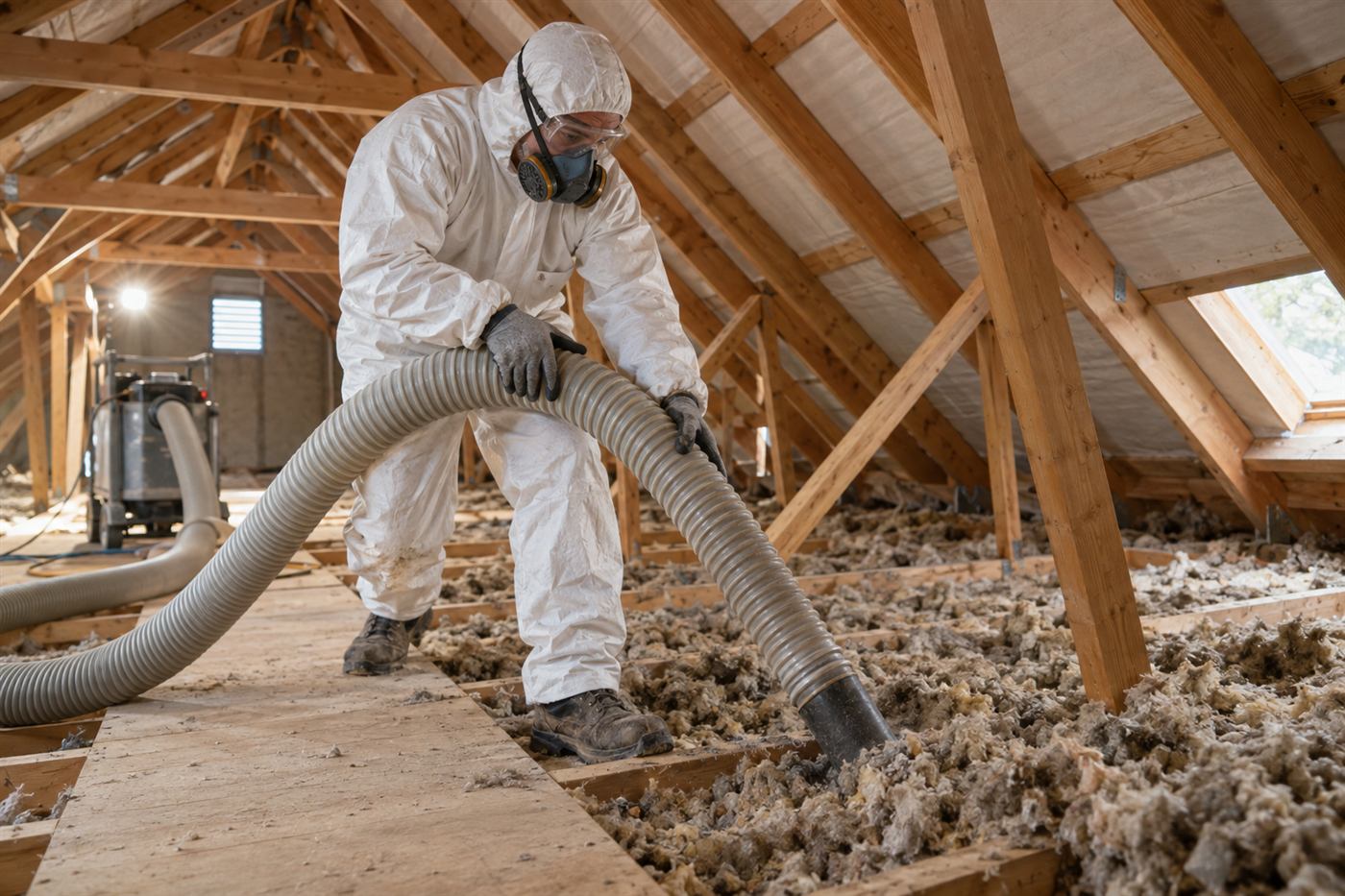
Describe the situation by phone and we will tell you what the job involves. Quotes are given by phone. Jobs that cannot be quoted without seeing them need a technician on site, and the service call charge is explained on the phone before anyone is dispatched.
(561) 854-1888Why South Florida seasons shape insulation decisions
People in colder places think about insulation in winter. In Boca Raton the calendar works differently. The long, humid, hot stretch of the year puts the heaviest load on attics and air conditioning, while a short run of cooler fronts tests comfort in a different way. On top of both sits hurricane season, which influences how people think about roofs, water and repairs, and which can shift priorities almost overnight when a system forms offshore. Think of the calendar as a set of gentle reminders rather than a list of deadlines you must meet.
This section follows those rhythms. Each page looks at a stretch of the year, a type of weather or a pattern of living, such as part-year residents who leave homes closed for months. The aim is to tie everyday seasonal events to practical insulation and attic questions, without fear tactics or exaggerated promises. Most of the advice is simple observation and good timing, with professional help reserved for the parts that really need it. Pages are kept short enough to read in one sitting, and each ends with a pointer to related topics.
You can read the pages in calendar order or jump to the one that matches what is happening now. Many readers use them as a short checklist, finding two or three items to look at this month. If anything on the list worries you, call us and describe what you noticed, and we will explain next steps in plain language. Nothing here asks you to make a quick decision, and nothing replaces a proper look at your own attic. Bookmark the ones that apply to your home so you can find them again when the season changes.
The long humid season and what it asks of an attic
For most of the year, outdoor air carries a lot of moisture, and attics are where that moisture meets hot roof decking and cooler ductwork. Insulation sits in the middle of all of this. When the attic is well sealed, ventilated and covered, it behaves predictably. When there are gaps, damp air tends to find them and condense on cool surfaces, which is why the same attic can look fine in January and troubling in August. Humidity is not a defect in Florida, it is simply the setting, so the goal is an attic that handles it well.
The rainy season page lays out safe checks you can do from the hatch and signs of trouble from inside the house. Look for stains, a stale smell, or sweating on duct surfaces. None of these prove a serious problem, but each is worth a photo and a note, because patterns over several weeks tell the story better than a single glance. A stain that changes shape after each storm points somewhere very different from one that never moves. Take a second photo from the same spot every few weeks, and compare, since slow changes are easy to miss in person.
Do not climb into an attic in summer without thought. Temperatures can be punishing, and stepping between joists is risky because ceiling drywall will not hold a person. From the hatch with a good flashlight, you can see a surprising amount. If something looks off, step back and call, rather than pushing through the heat to investigate further on your own. Early morning is the most comfortable time for even a brief look from the opening. If the weather is storming, postpone any looking around, because wet roofs and lightning make that a poor moment for it.
Cold fronts and the odd chilly week
South Florida winters are mild, but a front can drop overnight temperatures enough that people feel genuinely cold indoors. Many homes were designed mainly to stay cool, so they feel drafty and uneven when the weather turns. Rooms over garages, additions and block walls can feel particularly cold compared with the rest of the house. Owners who have lived here for years often know exactly which room is the cold one, and that knowledge is valuable. A drafty winter room is also a clue about summer, since the same gaps that leak cold air in January leak hot air in July.
The winter page explains where drafts tend to come from and why the attic is such a common escape route for warm air. It also separates problems that insulation can influence from those that belong to a heating system or windows. Knowing the difference keeps expectations realistic and helps you ask the right person for help. A cold bedroom can have three different causes, and only one of them involves what lies above the ceiling. Resist the urge to tape over gaps with random materials, because a poor patch can hide the problem without fixing it.
A few simple observations help during a cold snap. Notice which rooms feel coldest, whether you can feel air near ceiling fixtures or baseboards, and whether the hatch cover is loose or has a gap around its edge. Write these down and mention them when you call. A cool week is a useful moment to find weak spots, since the contrast with the rest of the year makes air leaks and thin areas easier to feel than they are in summer. If you own a fireplace, mention it, since an open damper is one of the most common sources of unexpected cold air.
Hurricane season preparation
Hurricane season runs through the warm months, and the weeks before it begins are a sensible time to check what is above your ceilings. The point is not to predict storms. It is to find roof penetrations that look worn, insulation that is already damp, and ventilation that is blocked, so small issues are addressed before the heavy rain arrives. Doing this calmly in spring is far easier than doing it in a rush while a forecast is changing. Early in the season, roofers and other trades also tend to be busy, which is another reason to start looking sooner.
The pre-season checklist page offers a calm sequence, starting with a safe look from the hatch. It covers signs of past leaks, the condition of insulation around penetrations and what to do if you find something unexpected. Remember that insulation cannot make a home storm-proof. It can, however, tell you a great deal about the roof above it, since discolored or compressed material often marks the place where water has quietly been getting in for a while. Take care not to stack storage on top of the insulation, because compressing it reduces its effect and hides what is underneath.
If you find a problem, take photos before moving anything. A roofer may need to handle the leak itself, and the insulation work follows after the roof is repaired. We can explain the order of steps and which trade comes first, so repairs do not repeat the same work twice or leave damp material sitting in place. Keeping the order straight also helps when you talk with an insurance carrier about what happened and when it was first noticed. Keep your records with other home documents, so you can find them quickly if storm questions arise later.
After a storm: wet insulation and what happens next
When a storm damages a roof, water often reaches the attic before it shows on a ceiling. Insulation soaks it up, gets heavy, and may press on drywall until it stains or sags. Safety comes first: if there is a sagging ceiling, standing water or any electrical concern, keep clear and call the right emergency service. Insulation can wait a little while, but people and wiring cannot, and a heavy wet ceiling can fall without much warning. Do not walk across wet ceilings or turn on lights in rooms with obvious water intrusion, because electrical hazards can be hidden.
The storm page covers how to assess from a safe distance, why temporary roof repairs come before anything else and how drying time affects whether material can be kept. In many cases, wet insulation has to be removed, because it can hold moisture against framing and take a long time to dry properly. Fiberglass, cellulose and foam all react differently to water, and the page explains those differences without overpromising what can be saved. Take photos of the damage from several angles before cleanup, since adjusters often ask for them and conditions change fast.
Insurance conversations often start right after a storm. Photos and written notes about what you saw help. We can describe what we find in plain terms, but we do not make coverage decisions. Keep records, keep receipts for temporary repairs, and ask your carrier what they need before any material is thrown away. Having documentation ready makes the process smoother, and it reduces the chance that an important detail is lost while the cleanup is under way. Be wary of anyone who pushes you to make large decisions immediately, and take time to understand scope first.
Flood zones, king tides and low-lying properties
Some parts of the region sit low enough that high tides and heavy rain can cause water to enter lower levels of buildings. Insulation in garages, ground-floor rooms and enclosed lower areas then faces conditions that attic material never does. The material you choose, and where you place it, matters more in these locations. Homes near canals and the Intracoastal Waterway are the ones most likely to need this kind of careful thinking. Planning ahead is generally calmer than reacting, so use quiet weeks to think about what your property needs.
Our flood-prone page explains how different insulation types respond to water, why closed-cell foam often comes up in the conversation and where insulation should not be installed at all. It is honest about limits: no product makes a flooded building unaffected, and some situations call for removal after water has been present. Understanding those limits before spending money helps you set priorities and avoid products that sound impressive but do not fit the situation. Ask your insurer or a local floodplain office about the flood designation of your address, since it affects many other decisions.
If your property is in a low area, mention that when you call. We will ask about past flooding, how the lower level is used and whether any elevation work has been done. That context helps us avoid recommending materials that would perform poorly if water ever returned, and it keeps the plan realistic. You may also want to speak with your insurance agent about what documentation they would want if conditions ever change on your street. Keep important belongings off lower floors where practical, because no insulation choice can protect contents.
Part-year residents and closed-up homes
Many homeowners spend winters here and leave for the summer, or the reverse. A house sitting closed for months behaves differently from one lived in daily. Without regular use, humidity can build up, small leaks go unnoticed, and an air conditioner failure can turn a quiet attic into a damp, hot space before anyone knows. The longer the gap between visits, the more a small problem can grow before a person ever sees it. Ask a neighbor or caretaker to run the air conditioner on a schedule if your insurance or lease allows it, and agree on a plan.
The part-year page lays out how insulation and air sealing relate to humidity control while a home is empty. It also gives a departure checklist and a list of things to look at when you return. Neighbors, property managers and caretakers can help, but they need clear instructions about what to watch for and whom to call. A short written note left with the caretaker is worth more than a long conversation that gets forgotten. Photographs of the attic taken before you leave give you a baseline to compare against when you return.
If you plan work before you travel, tell us your dates early. The visit can be planned around your schedule, and access can be arranged with someone you trust. Be sure the person who lets us in knows the scope that was explained, so everyone is comfortable with what is happening in the home while you are away. Ask for photos of the finished work, and keep them with your other records for the house. Consider smart sensors for temperature and humidity, which can send alerts if conditions drift while you are gone.
Spring as the best time for an attic walkthrough
Spring sits in a useful window. The worst heat has not yet arrived, the rainy season is still ahead, and hurricane season is close enough to motivate a check. A short, careful walkthrough now can reveal worn spots, pests, and gaps while there is still time to address them without rushing. Attic temperatures are also more bearable in the early part of the day, which makes a brief look from the hatch much more pleasant. Dress for the heat if you must go up, and carry water, a light and a phone, and tell someone where you are.
The spring page lays the walkthrough out in steps, from looking at the roof from the ground to checking the hatch and the air handler. It also lists what to leave to professionals, such as stepping across joists, handling wiring and removing damaged material. Safety rules appear early because attic mistakes can be costly. Falling through a ceiling or touching a live wire is far more damaging than anything a walkthrough is likely to find. Look but do not touch wiring, and never move insulation around lighting fixtures that give off heat.
Keep a simple record each spring: a few photos, a short note and the date. Over the years, the record shows trends that a single visit cannot, such as slow settling or a stain that grows. If something changes, that history makes the conversation with a technician faster and more exact. It also becomes useful when you sell the house, since a buyer or an inspector will often ask what has been done to the attic and when. A simple checklist taped inside a closet door makes the yearly habit easy to repeat without much thought.
Planning work around the calendar
Insulation work is easier to plan when you think about the year ahead. Attic work in peak summer heat is harder on everyone, and storm season can crowd schedules unpredictably. Cooler months and early spring often suit larger projects, though no season is closed to work and urgent issues should never wait for a perfect time. The right moment is usually the earliest one when the home is ready and the cause of the problem is understood. Weather swings do not have to ruin a plan if you keep some flexibility built into the schedule.
Consider your own calendar as well. Holidays, visiting family, rental bookings and travel all affect when access to the home is practical. Condo and association rules can also limit work hours or require advance notice for elevators and parking, so ask your management office early rather than late. A short call to the office before scheduling can prevent a delay that would otherwise surprise you on the morning the crew is supposed to start. Ask whether any building permits or association approvals are required, since those can add steps that affect timing.
When you call, share any dates that matter and any deadlines, such as a sale closing or a long trip. We will explain how scheduling works and what to expect, without making promises about arrival or finish times that weather or conditions might change. A clear plan up front keeps the work smooth and the surprises few. If your dates shift, tell us as soon as you can, and we will talk through the options with you. Plan for a clean, clear path to the hatch and the electrical panel, since a prepared home makes the whole project smoother.