Start with what changed
A rising bill is a symptom, not a diagnosis. The first question is what changed. Did the family spend more time at home? Did you add a pool pump, a second refrigerator or a new device that runs all day? Did the weather run hotter than usual? Did the utility change its rates or billing period? Any of these can explain a higher bill without any fault in the building.
If nothing obvious changed, the next suspect is the house itself. Insulation settles and thins with time. Roof surfaces age and absorb more heat. Seals around ducts and attic hatches dry out and open. Small changes add up slowly, so the house may be using noticeably more energy than it did a few years ago without any one moment that you can point to.
A useful habit is to compare the same month from year to year, rather than comparing winter with summer. Keep the bills, note the average outdoor weather if you can and write down any changes at home. That record is very helpful to anyone trying to work out what is going on. We do not quote numbers or percentages here, because your bill depends on your house, your rates and your habits.
How attic heat drives the cooling load
In South Florida, the attic is often the hottest part of the house. The roof absorbs the sun, the underside of the deck radiates that heat into the attic air, and the attic air presses on the ceiling below. The insulation on the attic floor is what slows that heat from entering the living space. When it is thin, uneven or compacted, more heat gets in.
The air conditioner then has to remove that extra heat, along with the heat from sunny windows, appliances and people. The longer it runs, the more electricity it uses. If the system also has ducts in the attic, the cold air is warmed on the way, so the unit must run longer to deliver the same comfort.
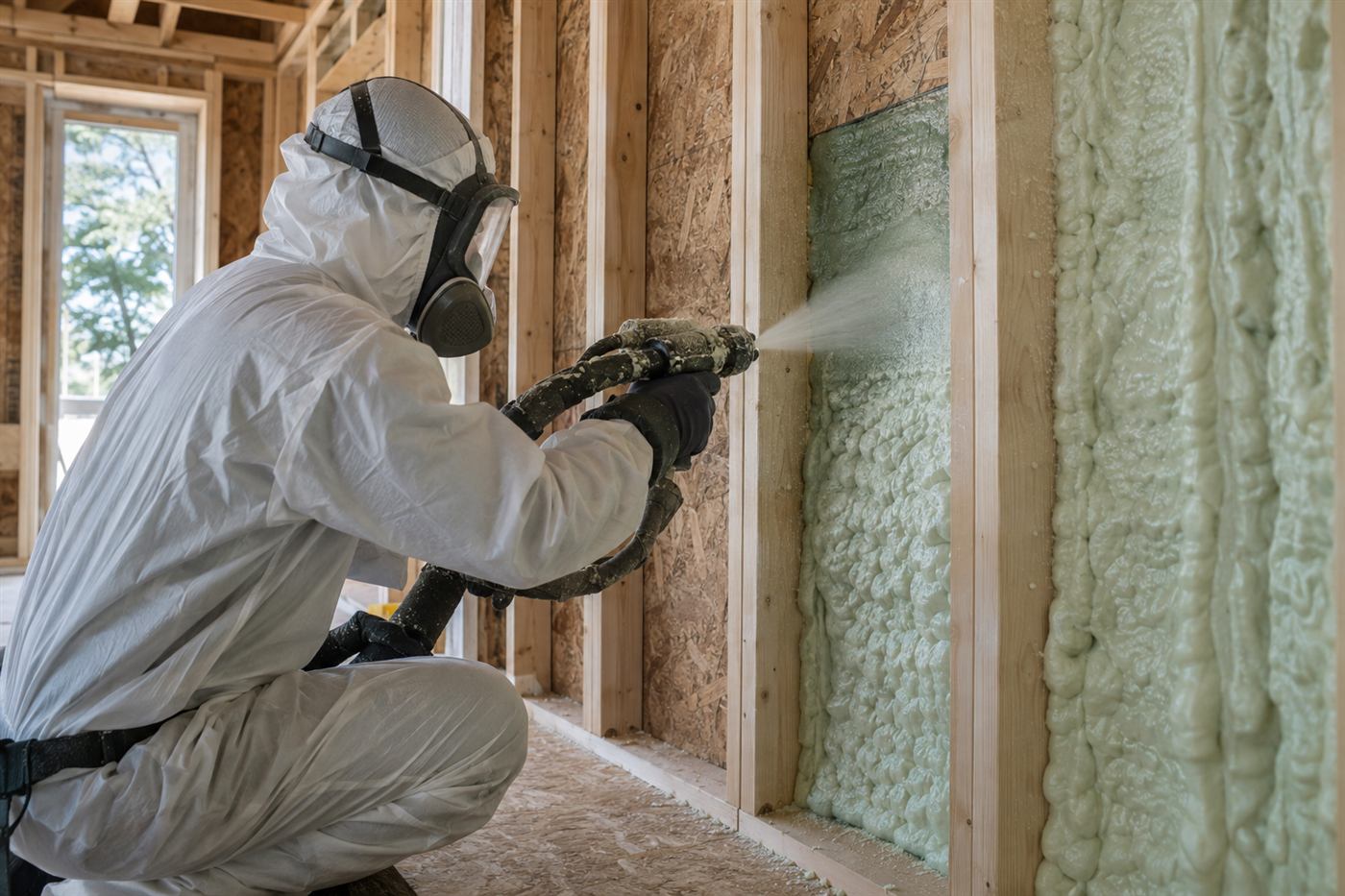
That is why attic condition is one of the first things to check when summer bills rise. It is also why different attic treatments exist: more insulation on the floor, radiant barrier in the rafters, or foam at the roof deck. Which one fits depends on your attic, and a technician can help you decide. Our attic insulation page covers the main choices.
Air leaks you cannot see
Insulation slows heat, but it does not stop air. Many houses leak conditioned air into the attic through gaps around recessed lights, wiring holes, plumbing stacks, bath fan housings and the tops of interior walls. In summer, that cool air is replaced by hot, humid attic and outdoor air, and the system must cool and dry it again.
You can sometimes find leak sites without special tools. Look for dark streaks on insulation near ceiling penetrations, which can indicate air moving through. Notice drafts near attic access panels and cold or hot spots near ceiling fixtures. A technician may use a smoke pencil or a thermal camera to show where air is moving.
Air sealing is often one of the most effective steps because it addresses the leak rather than just adding material over it. Our air sealing page describes where leaks tend to hide. Insulation and air sealing work best together, so a good visit looks at both.
Ducts that lose cooling before it arrives
Ducts are part of the cooling system, and their condition affects the bill. If ducts run through a hot attic and the insulation wrap is torn or the joints have loosened, a meaningful share of the cooling can be lost before it reaches the rooms. The unit runs longer to make up the difference.
Signs include rooms that never quite cool, vents that blow weakly, a dusty or dirty attic near the ducts and condensation on the outside of the duct on humid days. Sweating ducts can also wet the insulation around them. See our page on sweating ductwork for more on that.
Duct repair is a job for an air conditioning professional, not an insulation crew. But a technician looking at your attic will notice what the ducts look like and tell you what they see. If the ducts are in poor shape, fixing them may matter more to your bill than adding insulation, and sometimes both are worth doing.
Equipment age, filters and maintenance
Insulation is only one piece of the system. An older air conditioner may be less efficient. A dirty coil, a clogged filter, a low refrigerant charge or a failing fan can all raise energy use. Before spending on insulation, make sure the equipment is in good working order. A routine service call is a sensible step.
The air filter is the easiest check. A clogged filter reduces airflow, which makes the system work harder and can freeze the coil. Replace it on the schedule suggested for your filter type, and more often during heavy summer use. Keep the area around the outdoor unit clear of leaves, mulch and debris.
Thermostat settings and habits also matter. Setting the temperature very low, changing it often or letting the house heat up and then cooling it quickly can all raise use. A programmable or smart thermostat helps some households, but it will not fix an attic that dumps heat all afternoon. Look at the whole picture, not just one part.
Windows, doors and sun exposure
Heat also enters through glass. West and south windows without shade can add significant heat in the afternoon. Shades, awnings, trees, window film and reflective coatings can reduce that. Make sure doors and windows close tightly, and check weatherstripping around exterior doors and the garage door.
Garage walls and ceilings matter when the garage is attached. A hot garage under a bedroom or against a shared wall pushes heat into the house. Our garage insulation page explains how this works. Even the way a house is positioned on the lot can change how much sun it takes in.
None of these steps requires a major project. Simple, low-effort fixes such as closing blinds during peak sun, using fans wisely and sealing visible gaps are worth trying while you investigate bigger causes. Keep notes on what you change and when, so you can see what makes a difference.
What a technician looks at during a visit
A visit is meant to find the biggest contributors, not to sell a single product. A technician will usually look at the attic floor insulation, noting depth, evenness, compaction and any dark streaking, and at the underside of the roof deck for signs of moisture. They check ducts, air handler location, penetrations and the attic hatch.
They may measure the depth of the insulation in several places and compare it to what is typical for your type of house. They also check whether the attic is vented appropriately, since poor ventilation can trap heat and humidity. If there is old or damaged material, they will say whether it should be removed rather than covered.
The outcome should be a plain-language summary: what they saw, what is likely contributing to heat gain and what the options are. Photos are helpful. You should come away able to explain the situation to someone else. If a technician cannot explain it simply, ask more questions.
- Insulation depth, evenness and compaction
- Dark streaks near penetrations that show air movement
- Duct condition, routing and wrap
- Air handler location and any attic equipment
- Attic hatch seal and recessed lights
- Ventilation and roof deck condition
Deciding between insulation, sealing and other fixes
Not every high bill calls for the same fix. If the attic floor is thin, adding material may help. If there are many leaks, sealing comes first. If the ducts are the problem, they should be repaired. If the equipment is failing, it should be serviced or replaced. Often, more than one factor is at work, and the order of work matters.
Our guide on the order of energy-saving upgrades explains why sealing usually comes before adding insulation, and why equipment decisions should wait until the envelope has been addressed. Fixing the building first means the cooling system you keep, or replace, can be sized for what the house really needs.
If you are not sure where to start, an energy audit can give a fuller picture. See our energy audit page for how that works. An audit identifies where the house loses the most energy so you can spend effort where it counts.
Making the call
When you call, have a few facts ready. How long have the bills been climbing? Which rooms feel worst? How old is the roof? Has any insulation work been done? Is the air handler in the attic or in a closet? Has the air conditioner been serviced recently? These help us decide whether insulation is likely to be part of the answer.
We will tell you honestly if the cause sounds like equipment or ducts rather than insulation. We would rather send you in the right direction than start work that will not help. Quotes are given only by phone, never as published prices. For a complex situation, an on-site visit is needed, and there is a service call charge that is explained before dispatch.
Call when you are ready, and we can talk through what you are seeing and what to check next. A summer bill that rises each year is worth investigating, and the answer is often simpler than it looks.
Reading your own bills without any special tools
You do not need software to learn a lot from your bills. Lay out the last two or three years of summer statements side by side. Look at the billing dates, because a longer period naturally shows higher use. Note months when the house was empty, when guests stayed, or when equipment such as a pool pump was added. If your utility shows daily use, look for the hours when the load climbs.
A bill that rises sharply in the late afternoon and evening points toward heat gain from the roof and walls, since that is when stored heat peaks. A bill that is high all day and night may point toward equipment running constantly, a leak or a system that cannot keep up. A bill that is steady but higher than before may reflect gradual loss of insulation performance or equipment efficiency.
Take these notes to the phone call. They help a technician decide what to look at first. They do not replace an inspection, but they narrow the search, and they make it easier to tell afterward whether any change you made had an effect.
Two example homes and how the causes differ
Consider an older single-story block house where the attic insulation was installed long ago and has flattened. The air handler sits in the hall closet, the ducts are in the attic and one bath fan vents into the attic space. The summer bill has crept up each year. In that house, thin insulation, leaky ducts and a bath fan adding humidity are all plausible contributors, and addressing them in the right order matters.
Now consider a newer two-story home with deep, even insulation but a roof that faces west and large windows without shade. The air conditioner runs hard every afternoon. Here the attic may be fine, and shading or window treatments may matter more. A technician who checks only the attic would miss it, which is why a good visit looks around the whole house.
These examples are only illustrations, not predictions for your home. The point is that the same bill can have very different causes, and the right answer comes from looking, not from guessing.
Questions people ask
Why does my bill rise every summer even though I use the air conditioner the same way?
The house may be losing efficiency over time. Insulation settles, seals dry out, roofs absorb more heat as they age and equipment wears. Hotter weather or higher rates can also play a part. A visit can show whether the attic, leaks or ducts are contributing. Keep year-over-year bills for the same months so the pattern is clear.
Will adding insulation lower my bill?
It can reduce the load on the air conditioner when thin or uneven attic insulation is a main cause. We do not promise specific savings, because results depend on the house, equipment, habits and rates. A technician can tell you whether insulation is likely to matter or whether leaks, ducts or equipment should come first.
Should I seal leaks before adding insulation?
Usually yes. Insulation slows heat flow, but leaks move air around it, so sealing first lets the insulation work as intended. Sealing also prevents humid attic air from entering the house. A technician will point out major leak paths during the visit and suggest an order of work that makes sense for your attic.
Could my ducts be the reason the bill is high?
They could be. Leaky or poorly wrapped ducts in a hot attic lose cooling before it reaches the rooms, so the system runs longer. Signs include weak vents, rooms that never cool and sweating on the duct surface. Duct repair is done by an air conditioning professional, and we can note what we see in the attic.
Is an energy audit worth doing first?
If you have no clear idea where the energy is going, an audit can be a useful starting point. It looks at the whole house, not just the attic. If the attic is obviously thin or damaged, you may decide to address it directly. A phone conversation can help you decide which approach fits your situation.
How are quotes handled?
Quotes are given only by phone. Describe the house, attic access and what you have noticed. For jobs that need a closer look, an on-site visit is required, and there is a service call charge that is explained on the phone before anyone is dispatched. You then receive a written scope so you can compare options.
Describe the situation by phone and we will tell you what the job involves. Quotes are given by phone. Jobs that cannot be quoted without seeing them need a technician on site, and the service call charge is explained on the phone before anyone is dispatched.
(561) 854-1888Related pages
Keeping a simple log that makes the next conversation easier
Bills rarely tell the whole story, but a small log can help. Each month, write down the total, the weather as you remember it, whether anyone was home more or less, and any changes to thermostat settings or household habits. After a year, you can see whether summer jumps are steady or sudden, which points to different causes. A log of this sort need not be fancy; a notebook on the kitchen counter or a note on your phone is enough. A year of notes lets you compare one summer with the next.
Add notes about the house itself. Which rooms feel warm, what time of day, and whether the cooling seems to keep up. Photos of the attic taken from the hatch, even without entering, add useful detail. If you have made changes, such as new windows or a roof replacement, record the date. Include guests, vacations, new appliances, pool pump changes and anything else that adds load or changes habits. Keep copies of any service receipts as well, since they show the age and condition of the equipment over time and help explain changes in your bill.
Bring the log to any technician you call. It turns a general complaint into specific observations, and it helps avoid recommendations based on guesses. We explain what we see in the attic and what options exist, and the scope and any quote are explained before work begins. We do not promise a particular change in your bill, because many factors affect it. Looking back over a year, you may see that bills rose for reasons unrelated to the building, such as rate changes or a longer hot season. That is useful to know before spending money on repairs. If the pattern points to the house, the log helps a technician decide where to look first and keeps the visit focused and efficient.