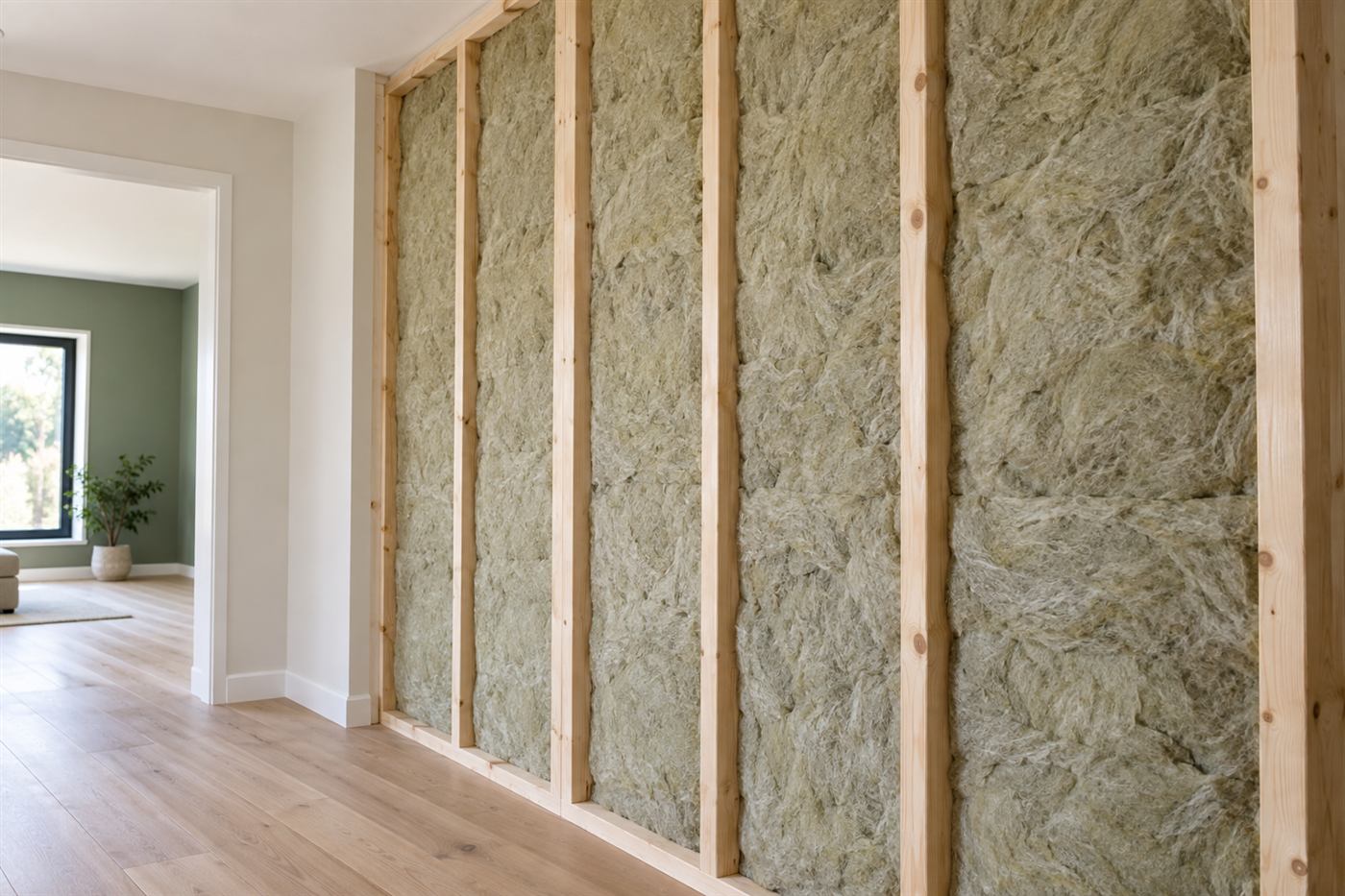
The typical Coral Springs home and its attic
Coral Springs grew quickly in the 1970s and 1980s, and its neighborhoods show it: tidy streets of single-family homes on regular lots, with concrete block construction, stucco finishes and a mix of shingle and tile roofs. Many houses have been maintained and updated, with new kitchens, windows and air conditioning, while the attic has stayed much as it was.
That attic is usually accessed through a hatch in a hallway or closet. Above the drywall ceiling is a blanket of insulation that may be original, topped up once or twice, or disturbed by trades over the years. Because the homes are of similar age, the same issues repeat from street to street: thin coverage, gaps around fixtures and ducts that have outlived their useful life.
Families in these homes often describe the same symptoms. The living room is fine but a bedroom at the end of the hall is always warm. The air conditioner has been replaced but bills did not fall. Humid air seems to hang in closets and corners.
Those complaints point to the building envelope as well as the equipment. A quick look from the hatch often shows whether insulation is part of the picture, and our page on attic insulation explains what a technician checks.
Vaulted and cathedral ceilings: the hard part
Many homes from this period have vaulted living rooms, family rooms or primary suites. A vaulted ceiling follows the slope of the roof, which means there is no open attic above it, only the narrow cavity between the drywall and the roof deck. That cavity is where insulation has to go, and it is often thin or incompletely filled.
In a cathedral ceiling, heat moves directly from the roof deck into the room. Even a modest gap in the insulation lets radiant heat through, and the room feels warm even when the air conditioner is running. Owners often notice that the vaulted room is the hardest in the house to cool.
There are several ways to improve such a ceiling, and each has trade-offs. Dense-pack material can be blown into the cavity through small access holes, which then are patched. Foam applied to the underside of the roof deck is an option when the structure allows it, as explained on our spray foam page. Rigid insulation added from inside lowers headroom and requires re-finishing.
Ventilation matters in these assemblies. If the roof was built with a vented cavity, blocking the airflow with dense material can trap moisture. A technician will look at how the roof is built, from the attic edges or from outside, before recommending an approach.
Aging ductwork running through a hot attic
In many Coral Springs homes, the air handler sits in the attic or in a closet with ducts running above the ceiling. After thirty or forty years, the original ductwork, or even a replacement from a decade ago, has often seen better days. Flexible ducts lose their inner liner, tear at joints, sag between hangers and shed insulation wrap.
A leaking duct sends cool air into the attic instead of into the room. Because the attic is very hot in summer, every leak is an expensive one, and the room it was meant for stays warm. At the same time, a duct that is cold and poorly wrapped can sweat in the humid attic air, dripping onto the insulation below.
Insulation is not the solution to damaged ducts, and a technician should say so plainly. What insulation work can do is cover the ductwork properly where that is part of the job, avoid crushing it and keep the attic floor clear for repairs. When duct replacement is planned, it is smart to coordinate: replace or repair the ducts first, then insulate over a clean, sealed floor.
Our page on sweating ductwork in the attic explains how to recognize condensation damage, and the guide on uneven room temperatures describes how duct problems show up as hot and cold rooms.
Block walls, stucco and what is behind them
Concrete block walls store heat. In the afternoon sun, an exterior wall on the west side of a house absorbs energy all day and releases it into the room long after sunset. In many 1970s and 1980s homes, the interior face of those walls was furred out with thin framing and sometimes insulated lightly or not at all.
Adding insulation to finished block walls is harder than adding it to an attic. Options exist, such as rigid foam board on the interior with new drywall over it, or in some cases foam injected into cavities where they exist, but each involves disruption and cost, and the benefit varies. Our guide on insulation for concrete block homes explains the options and where the biggest gains usually are.
In most homes, the attic is where the cost-to-benefit balance is strongest, and walls are a later step. We would rather tell you that than sell you a wall project that will not move the needle as much as ceiling work and air sealing.
If you are renovating, opening a wall for other reasons, or adding a room, that is the moment to think about wall insulation. It is simpler and less costly when the drywall is already off.
Roofs, soffits and the way heat leaves the attic
Coral Springs homes use a mix of roofing types. Shingle roofs are common, and tile is also widespread. Either way, the attic under the roof is a hot space in summer, and the way air moves through it influences how much heat reaches the ceiling.
Soffit vents at the eaves let outside air in, and ridge or roof vents let hot air out. If insulation has been pushed over the soffit vents, or if the vents are blocked by paint, debris or old material, the airflow is reduced and the attic runs hotter. Baffles keep the vent channel clear and are a standard part of a careful job.
Some owners ask about radiant barrier, a reflective layer that reduces radiant heat from the roof deck. It can be helpful in some attics and does little in others. Our page on radiant barrier describes when it makes sense and when it is more of a supplement than a main solution.
A balanced approach looks at ventilation, sealing, insulation depth and ducts together. Fixing one without the others often disappoints.
Storm season and checking the roof edge
Coral Springs sees the same storm season as the rest of South Florida, and a roof that has been tested by wind and rain can leak in places you do not see from the ground. Insulation catches that water, which then makes it heavy, matted and ineffective.
A simple routine after a significant storm is to look into the attic from the hatch with a flashlight. Check for dark patches on the decking, damp insulation, drips from nails and stains on ceilings. Photograph anything unusual with the date. Early action keeps a small problem small.
Our seasonal pages on checking insulation before hurricane season and wet insulation after a hurricane give simple checklists. If you find soaked material, the right order is to repair the roof first, then remove and replace damaged insulation.
Do not walk across an attic floor you cannot see. Joists are narrow, and a misstep goes through the ceiling. If anything looks unsafe, leave it to a technician.
Family life: schedules, pets and the day of the work
In family neighborhoods, practical details matter. Pets, children, shift schedules and school drop-offs all affect when a visit is convenient. Let us know the best times and any limits, and the visit can be planned around them.
On the day of work, clear a path from the front door to the hatch, move cars so the work vehicle can park close to the house and keep pets in a room with the door closed. Attic work involves noise from the vacuum or blower, and an unfamiliar crew can unsettle animals.
The crew works in the attic and at the hatch, and the living space is protected with covers where needed. You do not need to be present for the whole time, but someone should be reachable by phone. At the end, the technician walks you through what was done and shows photographs.
If your home has a child's room or a nursery under the work area, mention it. Dust control is part of the job, and that detail helps the crew take extra care.
Comfort, noise and what to expect afterward
After well-done insulation and sealing, owners often report that rooms are more even in temperature and that the air conditioner cycles in a calmer pattern. The house may also be a little quieter, since insulation absorbs some airborne sound. We do not promise specific savings or temperature changes, because results depend on many factors, including ducts, windows and how you run your system.
Give the house a few weeks of normal weather before judging the result. Compare how the hot rooms feel at the same time of day as before, and note whether the system runs differently. If something seems off, call and describe it. A good contractor wants to hear about it.
Keep the documentation: the written scope, photographs and the depth markers in the attic. They are useful if you sell, if an insurer asks or if you later add more material.
Our guide on energy saving upgrades in order explains how insulation fits with other improvements, so you can plan a sensible sequence.
Windows, doors and the parts insulation does not reach
Older Coral Springs homes often still have original or early replacement windows, sliding glass doors with worn weatherstripping and entry doors that no longer seal along the bottom. These openings leak air and admit radiant heat, and they can undo some of the benefit of attic work if they are in poor shape.
A quick test is to feel around the edges on a windy day, or to look for daylight at the bottom of exterior doors. Door sweeps and fresh weatherstripping are small, practical fixes that a homeowner can often do. Replacing windows is a larger project with its own considerations, and it is not something an insulation visit will push.
Where windows face west or south, shading outside the glass is more effective than anything done inside. Awnings, shade screens, trees and window film each reduce the sun's heat before it enters the room. Combined with a well-insulated ceiling, they make a noticeable difference to the afternoon temperature of a room.
We mention these because honest advice includes things we do not sell. If a room's problem is mainly a sunny window, the technician will say so, and you can decide how to address it in the way that makes sense for the house.
How to start for a Coral Springs home
Call and describe your home: block or frame, vaulted rooms, roof type, the rooms that are uncomfortable and any leaks, odors or pests you have noticed. The more you share, the better the first conversation will go.
If a visit makes sense, a technician will inspect the attic, measure depth, check ducts and fixtures and discuss options with you. A service call charge applies and is explained on the phone before dispatch. Quotes are given by phone, and larger or more complicated jobs begin with an on-site look so the figure reflects what is actually in your attic.
When you are ready, call and talk it through. A short conversation will clarify whether your Coral Springs house needs a simple top-up, vaulted ceiling attention, duct coordination or something else.
Questions people ask
How is a vaulted ceiling insulated if there is no attic?
Insulation goes into the narrow cavity between the drywall and the roof deck, usually as dense-packed loose material blown through small holes, or as foam on the underside of the deck. The choice depends on how the roof is built and whether it is vented. A technician will check the structure before recommending an approach.
My ducts in the attic are old. Should I replace them before adding insulation?
If ducts are torn, disconnected or sagging, repair or replace them first so the leaks are not hidden under new material. Insulation does not fix duct damage. An air conditioning technician handles duct work, and coordinating the two trades means the attic floor is cleaned, sealed and then insulated in the right order.
Is it worth insulating block walls?
Sometimes, but it is usually a later step. Wall work is more disruptive and the benefit varies, while attic insulation and air sealing tend to give the strongest returns first. If you are already opening walls for a renovation, that is a good moment to add insulation. A technician can explain the options.
Can blocked soffit vents make my attic hotter?
Yes. If insulation, paint or debris blocks the soffit vents, the attic loses airflow and heat builds up. Baffles keep a channel open between the vent and the attic space. A technician checks the vents during a visit and will point out blockages or damage that need attention.
Do I need to be home while the work is done?
Someone should be reachable and available to give access and approve the work at the start and the end. You do not need to watch the whole job. Keep pets away from the work area and have a clear path to the hatch. The technician will explain what was done and show you photographs afterward.
How do I get a quote for a Coral Springs home?
Quotes are given by phone, and more complicated jobs begin with an on-site visit so the attic can be seen. A service call charge applies and is explained on the phone before anyone is dispatched. Call with a short description of the home and what you have noticed, and the next step will be explained plainly.
Describe the situation by phone and we will tell you what the job involves. Quotes are given by phone. Jobs that cannot be quoted without seeing them need a technician on site, and the service call charge is explained on the phone before anyone is dispatched.
(561) 854-1888Related pages
Matching the plan to a Coral Springs household
Every household uses a house differently, and the plan should reflect that. A family with young children may want the loudest part of the work finished while kids are at school, and someone who works nights may prefer a different start. When you call, mention who is home, where the pets stay, and whether anyone has sensitivities to dust or noise. That information shapes how the crew stages equipment and how long the entry points stay open. Writing these details down before the call, even as a short list on your phone, keeps the conversation focused and avoids surprises on the day of the work.
Inside the home, preparation is simple. Move vehicles out of the driveway so hoses and a truck can reach the garage side or the front, clear a path from the entry to the attic hatch, and take fragile decorations off nearby walls and shelves. The crew lays covering over floors and carries gear in a way that avoids scraping paint. A closet hatch often needs shoes and clothing pulled out in advance, since vibration can shift hanging items. Pet owners should also mention any animal that tends to bolt through open doors, because propping an entry open for hoses and gear is normal during this kind of job.
After the work, a short walk-through lets you ask questions while the technician is still on site. It is also the moment to mention anything you want to watch over the next days, such as a room that was warmer than the rest. Insulation is one part of a comfort picture, and if a window, a duct or a door gap is the real cause, you will hear that plainly. Call us to talk through your Coral Springs schedule and what fits your household. Leave your questions for the walk-through, because it is easier to explain a detail while looking at the hatch together than to describe it later over the phone.