A city built vertically changes the insulation question
Most of the insulation advice you read online assumes a detached house with an attic. In Hallandale Beach, a large share of residents live in a unit on the fourth, fourteenth or twenty-second floor of a building they share with hundreds of neighbors. The roof, the exterior walls, the windows and the structure belong to the association. What belongs to you is the inside of your unit, and sometimes less than you expect.
That does not mean there is nothing to improve. It means the work is smaller in scale and more tightly governed. Common requests are about comfort and sound: a corner bedroom that never cools down, a ceiling that carries footsteps from upstairs, a wall that lets you hear a neighbor's television, or a closet that houses the air handler and sweats on humid days.
The first step is always to find out what you are allowed to touch. After that, a technician can look at what is physically behind the drywall or above the ceiling and tell you what could be done, what would be pointless, and what has to be handled by the building rather than by you.
Oceanfront towers and the heat that comes through the wall
Towers along the beach have a lot of glass and a lot of exposed concrete. Corner units on the south and west sides take the most sun, and on a summer afternoon the interior wall surface can feel warm to the touch. The cause is usually the building envelope itself, meaning the windows, the concrete and the way the exterior walls were built, which individual owners cannot change.
What an owner can sometimes do is improve the interior side. In some units, a technician can see whether the perimeter walls were furred out and filled, or whether the finished drywall sits directly on the concrete. Where there is a hollow cavity, appropriate material may be added. Where there is none, the options are more limited and may reduce floor area, so we explain the tradeoff before anyone commits.
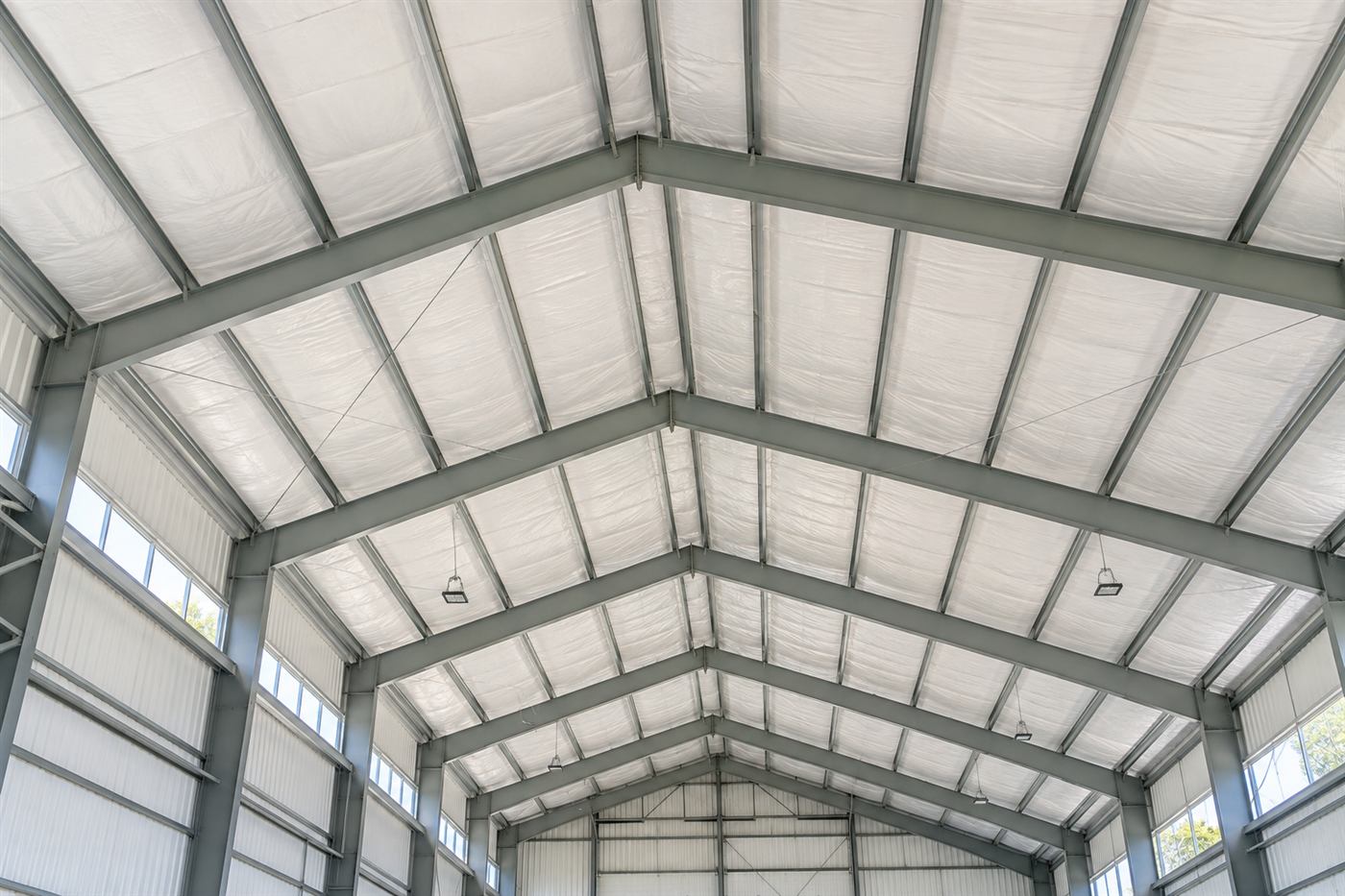
Top-floor units are a different case. If the ceiling sits directly under the roof structure and the association allows access, there may be a plenum or attic-like space above where insulation can be inspected. Many towers do not permit owners in those spaces at all, so ask your management office before you plan anything.
- Ask whether the roof space above your unit is accessible and who controls it
- Ask whether perimeter walls have any cavity behind the drywall
- Check whether window film or shades are allowed by the association
- Note which rooms heat up first and at what time of day
Older low-rise buildings and garden-style complexes
Away from the water, Hallandale Beach has many two- and three-story buildings from the middle of the last century and later. Some are rentals, some are co-ops, and many are condominiums where each owner has an individual unit but the roof is shared. These buildings usually have flat or low-slope roofs with a shallow ceiling space beneath, and the original insulation, when present, was often thin.
Ground-floor units sit on a slab or on a raised floor over a crawl or parking area, and top-floor units sit under the roof. The middle units get less heat from the sun but more noise from neighbors. Each position calls for different thinking, and a technician will start by asking which floor you are on and what is above and below you.
In these buildings, work must be coordinated with the association or landlord, because ceiling spaces are often connected across several units. A repair on your side can affect your neighbor's side. A clear written approval protects you and the contractor.
Noise between units and what insulation can and cannot do
Complaints about sound are among the most common reasons condo owners call about insulation. People hear footsteps from above, voices through shared walls, plumbing noise from stacked bathrooms, and traffic from the street. Insulation helps with some of these and does very little for others.
Sound-deadening batts placed in a stud cavity can reduce voices and television noise traveling through a partition wall. They work best when the cavity is open, the drywall is tight and the wall has no gaps at outlets and the floor edge. Impact noise from floors above is harder, because it travels through the structure itself, and it is usually addressed by changing the flooring above or by adding a resilient ceiling layer, not by stuffing batts into a cavity.
A technician will listen to what you describe, look at how the wall is built and tell you honestly whether insulation can make a noticeable difference. If it will not, we say so. Our page on soundproofing insulation options goes through the different approaches in more detail, and noisy walls between rooms covers what to check first.
Association rules, insurance papers and approvals
Almost every building in the city has rules about who can work inside a unit, when they can work and what paperwork they must hold. Some require a certificate of insurance naming the association. Some limit noisy work to weekday hours. Some require that contractors use a specific entrance or elevator and reserve it ahead of time. Violating any of these can get a project stopped.
Before you call a contractor, ask your management office for the contractor rules in writing, along with any alteration request form. If the building has an architectural review process, find out how long it takes. If you rent, your landlord or the owner has to approve the job, not you alone.
When you call us, share what you learned. We can tell you whether the scope you want fits within the rules, and we explain what we would need from the building to plan the visit. You can find the general version of this checklist in our guide to insulation for condos.
- Request the contractor rules and any alteration form from management.
- Confirm working hours, elevator reservations and parking for the crew.
- Ask what insurance paperwork the building requires and who is named on it.
- Share all of this when you call so the visit can be planned around it.
Building-wide work versus work inside one unit
Some insulation issues cannot be solved from inside a single apartment. A roof that was never insulated well, a corridor wall that leaks air from the hallway, a shared mechanical room with no thermal break, or a parking garage ceiling under occupied units are all building-level problems. They are decisions for the board and are usually handled with a contractor hired by the association.
If you suspect a building-wide cause, document what you see: photographs, temperature readings at different times of day, bills compared to similar units. Bring that to the board or management company. Commercial crews that handle larger buildings can be hired by the association, and our team can also take a look at common spaces if the board asks.
For owners who want to start small, a visit limited to your unit can still identify what is within your control. It also builds a record that you can share with the building if the problem turns out to be shared.
Moisture, mold and the air handler closet
In a humid coastal city, one of the more common problems in condos is moisture around the air handler. The closet that holds it is often poorly sealed, the ducts run through ceiling spaces with limited airflow, and the cold surfaces can sweat. Over time, drywall around the closet stains and sometimes grows mold on the surface.
Insulating the duct wrap properly and sealing the closet door and ceiling penetrations can reduce the condensation. But if the source is a clogged condensate drain, a leaking pan or a unit that is too large for the space, insulation will not fix it. A technician will check what is visible and tell you whether you need an air conditioning professional first.
If you see visible mold, do not disturb it. Report it to the association, because the same moisture may be affecting neighboring units. Our page on sweating ductwork explains the common causes in more detail.
Seasonal use, vacancy and the unit nobody is living in
Many units in the city are second homes or seasonal rentals. When a unit sits closed up for weeks, the air conditioner is often set high or turned off, and humidity builds inside. Walls, closets and ceiling spaces that stay damp can develop odors and surface growth, and anything stored in a closet on an exterior wall can pick up moisture.
If you leave your unit for long stretches, insulation is only one piece of the answer. Keeping the system running at a modest setting, making sure the condensate drain is clear and having someone check the unit periodically all matter more. Where insulation helps is at the weak points: the duct wrap that sweats, the closet door that does not seal, and the ceiling penetrations that let humid air from a shared plenum drift into your space.
A technician can look at those weak points during a single visit and tell you what is worth changing and what is simply a ventilation or maintenance matter for the building.
What to photograph and write down before you call
Good notes make the phone call shorter and the quote more accurate. You do not need technical language. You need what you can see and hear, and when it happens.
Take a photo of the ceiling and any stains, a photo of the air handler closet with the door open, and a photo of the wall where noise comes through. Write down which floor you are on, whether you are a corner unit and what faces west or south. Note what time of day the room heats up or the noise is worst.
- Floor number and whether the unit is a corner or interior unit
- Which rooms are uncomfortable and at what time of day
- Any past leaks reported to the association
- Photos of the ceiling, the air handler closet and any wall with noise
- The management office contact and their contractor rules
How a visit and a phone quote work here
Quotes are given only by phone. We do not post prices on the website, because the right number depends on the unit, the access, the rules of the building and what is behind the walls. When you call, we ask which floor you are on, what type of building it is, what you are noticing and what the association has told you.
For simple work, a phone conversation can be enough. If we need to see the space, there is a service call charge for the visit, explained on the phone before anyone is sent. That way you know the terms in advance, and you are not surprised by a charge at the door.
On site, the technician will look at the ceiling, the walls and the air handler closet, use a moisture meter or thermal camera when helpful, and photograph what they find. You will get a plain explanation of what is possible, what is not and what you should ask the building about.
Where to start if you are not sure
Owners often ask where to begin when they do not know whether their problem is the building or the unit. The simplest approach is to describe the symptom and the location. A bedroom that overheats on the west side, a hallway that hums at night, a ceiling stain after heavy rain, or a wall where you can hear your neighbor's conversations all point in different directions.
For heat, start with why an upstairs bedroom runs hot. For cooling bills, see high cooling bills in summer. For a specific service in this city, read about attic insulation in Hallandale Beach, which applies to the low-rise buildings and houses that do have accessible attics.
Call, tell us the building type, the floor and what is going on, and we will explain the next step. There is no pressure to schedule anything on the first call, and we will tell you plainly if the answer is that your association needs to handle it.
Questions people ask
Can I insulate my condo unit without association approval?
Usually not. Most buildings require written approval for alterations, even inside the unit, and many require insurance paperwork from the contractor. Ask management for the alteration form and the contractor rules before scheduling. Doing work without approval can lead to a stop order or a requirement to undo it.
Will insulation make my corner unit cooler?
It may help a little in some units, but the main heat usually comes through windows and exterior concrete, which belong to the building. A technician can check whether the interior wall has a cavity that can be filled. If it does not, we tell you plainly what the limits are.
Can you reduce noise from the unit above me?
Impact noise from footsteps travels through the structure and is hard to fix with insulation alone. Sound-deadening material helps more with voices and television noise through walls. A visit lets us look at how the ceiling and walls are built and tell you honestly what could make a noticeable difference.
What does a service call charge cover?
It covers the time of a technician coming to your building, inspecting the space and explaining what they found. We explain the charge on the phone before anyone is dispatched, so there are no surprises at the door. Simpler jobs may be quoted by phone without a visit.
Is it a problem if I see mold around the air handler closet?
Visible mold means moisture has been present, and the cause needs to be found. Do not scrub or disturb a large area. Tell the association, since the cause may be shared, and have the air conditioning system checked. Insulation work should wait until the moisture source is fixed.
Do you work in older low-rise buildings with flat roofs?
Yes, with the approval of whoever controls the roof and ceiling space. These buildings often have shallow ceiling spaces and shared structure, so a technician looks at access and fire separation before recommending anything. Coordination with the landlord or association is part of planning the job.
Describe the situation by phone and we will tell you what the job involves. Quotes are given by phone. Jobs that cannot be quoted without seeing them need a technician on site, and the service call charge is explained on the phone before anyone is dispatched.
(561) 854-1888Related pages
Getting materials and crews into a building with an elevator
Work in a high-rise or mid-rise begins long before anyone touches insulation, with the logistics of moving people and equipment. Many buildings require that deliveries use a service elevator, that carts have rubber wheels, and that hallways are covered. Some have set hours for noisy activity. The first call with the management office usually settles these points, and it helps if you ask for the written rules ahead of time so the plan fits them. Ask whether the building requires a work-permission form from the contractor, and share that request early so paperwork does not hold things up on the day.
Inside the unit, the crew protects the path from the door to the work area, often with floor runners and corner guards. Tools are kept compact, and any materials that produce dust or odor are chosen and handled with the neighbors in mind. Because walls are shared, noise travels, so the heaviest tasks are sequenced to avoid mealtimes and quiet periods where the rules call for it. Waste leaves the same way it came, in sealed bags. Neighbors above and below appreciate a short note on the door or through the office, which turns a possible complaint into a polite heads-up about what is happening.
Think about the practical details for your side. Reserve the elevator if your building requires it, tell neighbors that a crew will be passing through, and be present or arrange for a trusted person to be. If your unit is rented or vacant, check what your lease or association says about contractor access. Describe all of this on the phone, and the scope and any quote are explained before work begins. Any waste or packaging leaves with the crew, and common areas are checked for dust or marks before the team departs, so the hallway looks as it did when they arrived.