How Weston houses differ from older South Florida homes
Weston grew up in the last few decades as a planned community of large single-family homes, many with two stories, high ceilings, bonus rooms and elaborate rooflines. Compared with a 1960s block ranch, the attics are bigger, the roof geometry is more complicated, and the air-conditioning equipment is often split among several zones with ductwork running through the attic space.
That construction changes what removal looks like. A big attic with multiple hips, valleys and dormers has many compartments, some of them hard to reach. Vaulted or cathedral-style ceilings may have sloped sections where insulation lives between rafters rather than lying flat on a ceiling. Two-story homes can have an attic over the upper floor and smaller cavities over the lower floor, such as a porch or garage bonus room, each with different material.
None of this is a defect. It simply means that removal in Weston is rarely a case of lifting out a flat blanket and starting over. The visit before the quote is where the technician maps what is up there, finds the areas that are actually damaged and plans how to get material down and out without hitting finished ceilings, stair railings or a high-ceilinged foyer.
Humidity from the wetlands and what it does to insulation
Weston sits close to the Everglades edge, and the surrounding landscape carries a lot of moisture through the warm months. Lakes and canals, irrigated lawns and heavy afternoon rain keep the outdoor air damp for much of the year. That humid air finds its way into attics through soffit vents, gable vents and gaps around the ceiling plane.
When humid air meets a cool surface, water condenses. In a home with cold air conditioning ducts, a leaking return plenum or a ceiling cooled below the dew point, moisture can collect in the insulation around them. Over months, the material can darken, sag, grow a musty odor or mat against the drywall. Fiberglass resists some wetting but loses much of its performance once it is saturated and compressed, and cellulose holds moisture longer and can support growth if it stays damp.
Not every damp attic needs removal. Sometimes the correct move is to fix the source, dry the space and leave the material. A technician looks at moisture readings, the pattern of staining, whether the ducts are sweating and whether there is a hidden leak above the damaged area. The guide on moisture in attic insulation explains the common patterns in more detail.
Leaks that start above the attic
A tile or shingle roof sheds most rain, but the details around penetrations, flashing, skylights and valleys can fail. On a complex Weston roofline, there are many places where water can enter. The first sign is often a faint brown ring on a ceiling, a bubbling paint patch or a musty smell in a closet. By that time, the insulation above may already be wet, and the water may have traveled along framing before showing up in the room.
Removal in a leak scenario is a sequence: stop the leak or confirm it has stopped, locate the wet area, take out the saturated material, let the framing and decking dry, check for staining or softness, and only then replace. If you skip the roof step, the new insulation will be soaked by the next storm.
Photographs of the stain, the date it appeared and any recent roof work help the technician. They also help your insurer if a covered event is involved. The page on insulation and insurance claims explains what documentation tends to matter, and your insurer makes the coverage decision.
Pests in large attics
A large attic is a large nesting site. Rats, squirrels and other animals can enter through gaps at the roofline, vent screens that have corroded or been chewed, or tree limbs touching the roof. Weston's landscaping often includes mature trees close to the house, which makes access easier.
Signs include scratching at dawn or dusk, droppings along the top of the insulation, tunnels in blown-in material, shredded paper facing on batts, grease marks near entry points and a sour odor from vents. Contaminated material should be removed rather than covered, because urine and droppings stay in the fibers, and the smell tends to return in the heat.
Insulation removal is one half of the fix. The other half is closing the entry points and, where necessary, bringing in a pest professional before or after the insulation crew. If one trade cleans and another seals, ask who coordinates the order. Read the rodent damage to insulation page for what typically shows up and what to photograph.
Storm damage in a big roofline
During hurricane season, wind can lift tiles, shift ridge caps and drive rain sideways under flashing. Debris from a neighbor's yard can puncture a roof section. After the storm, owners often find stained ceilings or a damp smell and wonder what is happening above.
Wet insulation after a storm needs fast attention because heat and humidity make the situation worse each day. The first step is safety: never go into an attic with possible wet wiring or water-loaded ceilings. A technician can assess it, and a roofer may need to close the opening first. Temporary tarps are the roofer's domain, not the insulation crew's.
Once the roof is secure, wet material is bagged and removed, damaged drywall is documented for repair, and replacement insulation is planned. The seasonal article on wet insulation after a hurricane describes the sequence and the questions to ask.
High ceilings, vaults and the logistics of removal
Tall rooms change how the job is staged. In a home with an eighteen-foot foyer or a vaulted great room, the ceiling below the attic section may be out of reach without scaffolding, and a single dropped bag could damage a staircase or chandelier. A crew will often protect floors, cover furniture and set up hose runs through a window or door rather than through the house.
Vaulted sections are another challenge. Where insulation sits between sloped rafters, it may be held by netting or sit under the roof deck with a narrow air channel above. Removing it can mean working from inside at the ceiling plane or from a very tight crawl space, depending on construction. A technician will tell you if accessing it requires opening part of the ceiling, which would be a drywall repair job on top of the insulation work.
If the home has recessed lighting in a high ceiling, the housings and their wiring are in the path. Material is moved away carefully and the fixtures are checked for the correct type before new insulation goes near them. Questions about fixtures are often best answered by an electrician; the insulation crew can point out what they see.
What the visit looks like and what to prepare
Complicated jobs get an on-site visit first, and quotes come by phone afterward. There is a service call charge, explained when you call and before anyone is dispatched. The visit is meant to look at the real attic, not guess from a description.
To make it useful, prepare a short list:
- Where you saw stains, drips, odors or heard animals, and when it began.
- Approximate roof age and any repairs, plus the age of the air conditioning system.
- How to reach every attic hatch, including any that are in closets, garages or over upper floors.
- Photos of ceiling stains taken in daylight.
- Names of the roofer, plumber or pest company already working on the cause, if any.
- Any association or community rules for contractor hours.
Choosing replacement material for a big attic
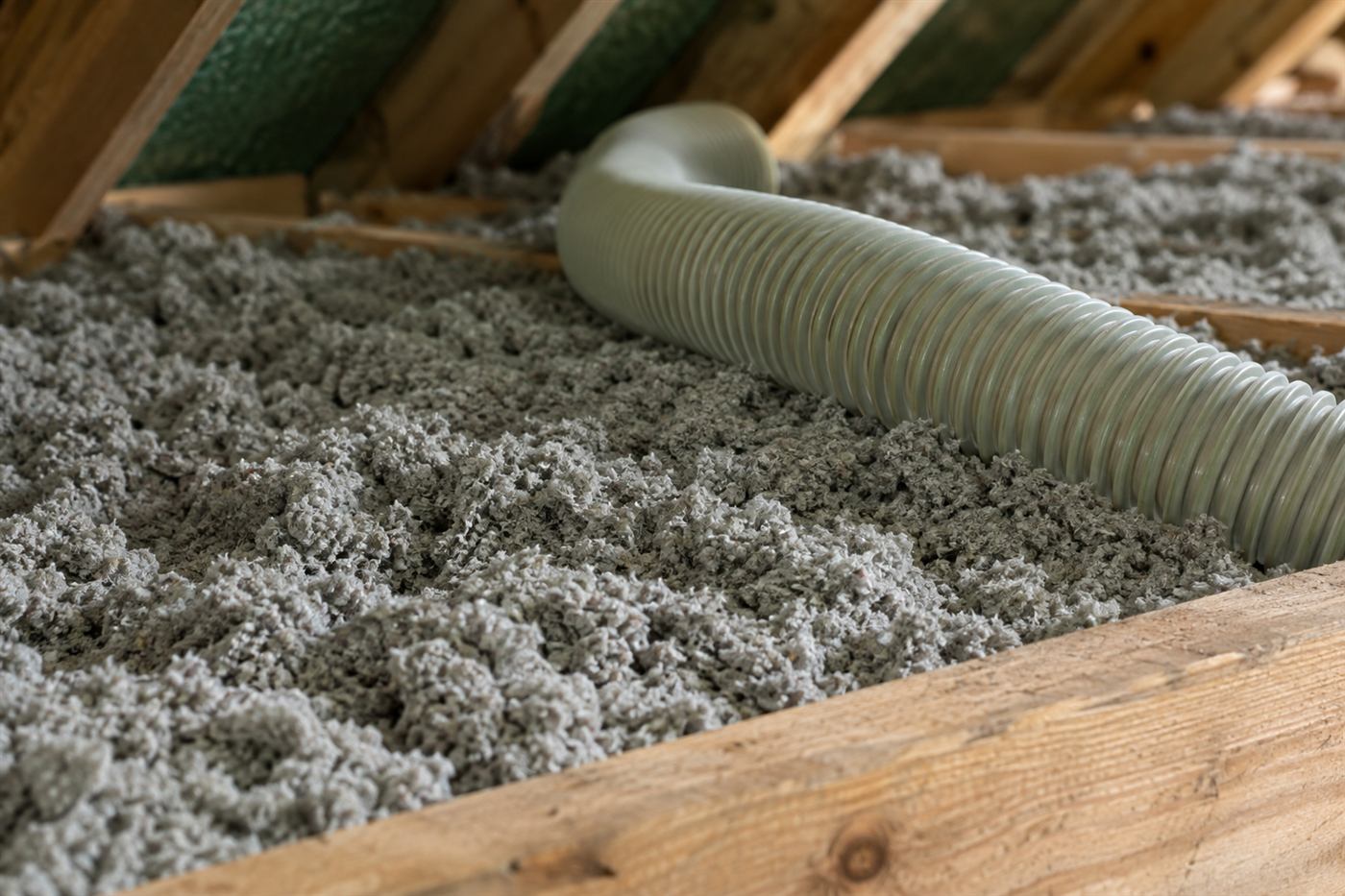
Replacement depends on how the attic is used and conditioned. For a conventional vented attic over a flat ceiling, blown-in fiberglass or cellulose is common because it covers irregular areas and fills around framing. Batts suit narrower bays. A large area with ducts in the attic may be considered for spray foam at the roof deck, creating a conditioned attic and keeping the ducts inside the thermal envelope. That choice reshapes how the attic behaves and typically needs permit review, ventilation changes and a conversation about your roof.
Sealing the ceiling plane before laying new insulation often matters as much as the thickness of the layer. Gaps at wiring holes, top plates, plumbing chases and around light housings let conditioned air leak upward, and in a house with high ceilings those leaks can be significant. The air sealing service page describes what a careful job includes.
If you want to understand the whole removal process before you call, see the main removal and replacement page, and the Weston insulation overview for local context.
Ducts, air handlers and the insulation around them
In many newer Weston homes the air handlers sit in the attic, with long duct runs snaking across the ceiling plane toward the bedrooms at the far end of the house. Insulation around that equipment takes a lot of abuse. Condensation forms on the cold metal and flexible duct jackets, a clogged drain pan overflows, or a loose connection leaks cold air that sweats against the surrounding material. The area immediately around the air handler is where wet insulation shows up most often.
Before removal near equipment, a technician will want to know whether the system is running and where the drain line terminates. Material around the unit has to be pulled back carefully so that duct connections, wiring and the condensate line are not disturbed. If a duct has been torn or crushed, it is noted and passed to an air conditioning company, because duct repair is a different trade than insulation.
When new material goes back in, it should not be piled against the air handler cabinet or buried over duct joints that need to be inspected later. Leaving working room around the equipment makes the next service call easier for everyone. If the ducts sweat repeatedly, you may be looking at a duct insulation issue rather than an attic floor problem, and the sweating ductwork page walks through what causes it.
Timing the work around the seasons
South Florida attics are hot for most of the year, and summer afternoons can make them hard to work in. Many crews schedule attic removal for the cooler morning hours so the job is safer for the people in the space. Rainy-season weather also matters. Opening a roof deck or a ridge vent during a thunderstorm is not a good plan, so a technician may reschedule if heavy rain is forecast and the attic is exposed.
If you are removing material because of a leak that has just been repaired, plan the insulation work a few days after the roofer finishes so the framing has time to dry. If you are planning ahead of hurricane season, an early-season check can catch trouble before a storm adds more water. The pre-hurricane insulation check lists what to look at from below and what to leave for a visit.
A last point on timing: people often delay removal because the ceiling looks fine. Stains can appear days or weeks after the water entered. If you suspect a leak, call sooner rather than later, since wet material loses its usefulness and can aggravate framing and drywall problems the longer it sits.
Common scenarios in Weston
A homeowner hears scratching above a second-floor bedroom and finds a spot of drooping ceiling. A pest professional confirms a rat entry at a roof valley. The crew removes the contaminated section above that room, the entry is closed, and replacement is installed after the area is checked.
After a long rainy spell, a family in a home near the western edge notices a damp smell in a master closet. The inspection shows an air handler drain line that backed up and sprayed condensate onto the insulation around the unit. The line gets repaired, the soaked material is removed and replaced, and the rest of the attic stays untouched.
A buyer ordering an inspection learns that the attic over a bonus room has bare patches and old compressed batts. No leak, no pests, just worn-out material. In that case, a technician may recommend adding fresh insulation after sealing rather than a full tear-out. These examples show why a visit comes before a recommendation: the same symptom can have different causes.
Questions worth asking any contractor
Before you agree to a removal job in a large home, ask how the crew plans to protect high ceilings and finished floors, where the debris truck will stand, and how contaminated material is bagged so it does not scatter in the garage or on the driveway. Ask who handles the leak or pest source and whether that work happens before or after removal. Ask what happens if they open the attic and find more damage than expected, and how that would be communicated to you before any extra work proceeds.
It is also reasonable to ask for plain-language descriptions of the replacement options and why one is suggested over another. If a contractor pushes one product without looking at the attic, take that as a sign to slow down. The questions to ask an insulation contractor guide has a longer list you can take along.
Call when you are ready
Large homes hide problems for a long time. A faint stain, a smell near a vent or a room that never cools properly can be the visible edge of a bigger attic issue. Describe what you see, what you have already ruled out and how large the house is. A technician can tell you whether a visit is needed and what a call-out involves.
Call to talk through the symptoms. Quotes are given by phone, a service call charge is explained before dispatch, and the visit will focus on finding what is actually damaged rather than replacing everything.
Questions people ask
Is removal more involved in a large Weston house than a small one?
Often, yes. Large attics have more compartments, longer hose runs and more roof valleys where problems hide. Tall ceilings add staging concerns. The extra effort is mostly in planning access and protecting finished spaces, not in treating more material than necessary. A visit helps pin down which areas are damaged so only those are removed.
Can wet insulation dry out on its own?
Sometimes, if the wetting was brief, the material is fiberglass and the space ventilates well. Cellulose and compressed batts that stay damp tend to hold moisture against drywall and framing. A technician checks readings and condition on site. If the source of water is still active, nothing will dry properly until it is fixed.
Do I need to move out during removal?
Usually not. The work happens in the attic, with hoses running to a truck outside. Rooms under the work area are best avoided, and people with breathing issues or young children may prefer to be elsewhere for the day. Mention health concerns when you call so the crew can plan their setup.
What if the ceiling drywall below is stained or soft?
That is a separate repair. Insulation crews remove and replace insulation, and they will point out damaged drywall so you can arrange a drywall or painting contractor. Document the condition with photographs before and after, especially if an insurance claim is involved, and keep the dates with your records.
Does spray foam replace the need to remove old material?
Not automatically. Foam applied to the roof deck changes how the attic is conditioned, but old wet or contaminated insulation on the floor can still cause odor and moisture problems. A technician decides whether to remove it, leave it or treat it separately, and explains the reasoning during the phone quote.
How do I know if a permit is needed in Weston?
Requirements depend on the scope and the local building office. Plain insulation replacement is often straightforward, while roof, electrical or structural changes usually need permits. Ask the contractor what they plan to pull and confirm with the city office if you want certainty. Call and describe the project so the right questions get answered.
Describe the situation by phone and we will tell you what the job involves. Quotes are given by phone. Jobs that cannot be quoted without seeing them need a technician on site, and the service call charge is explained on the phone before anyone is dispatched.
(561) 854-1888