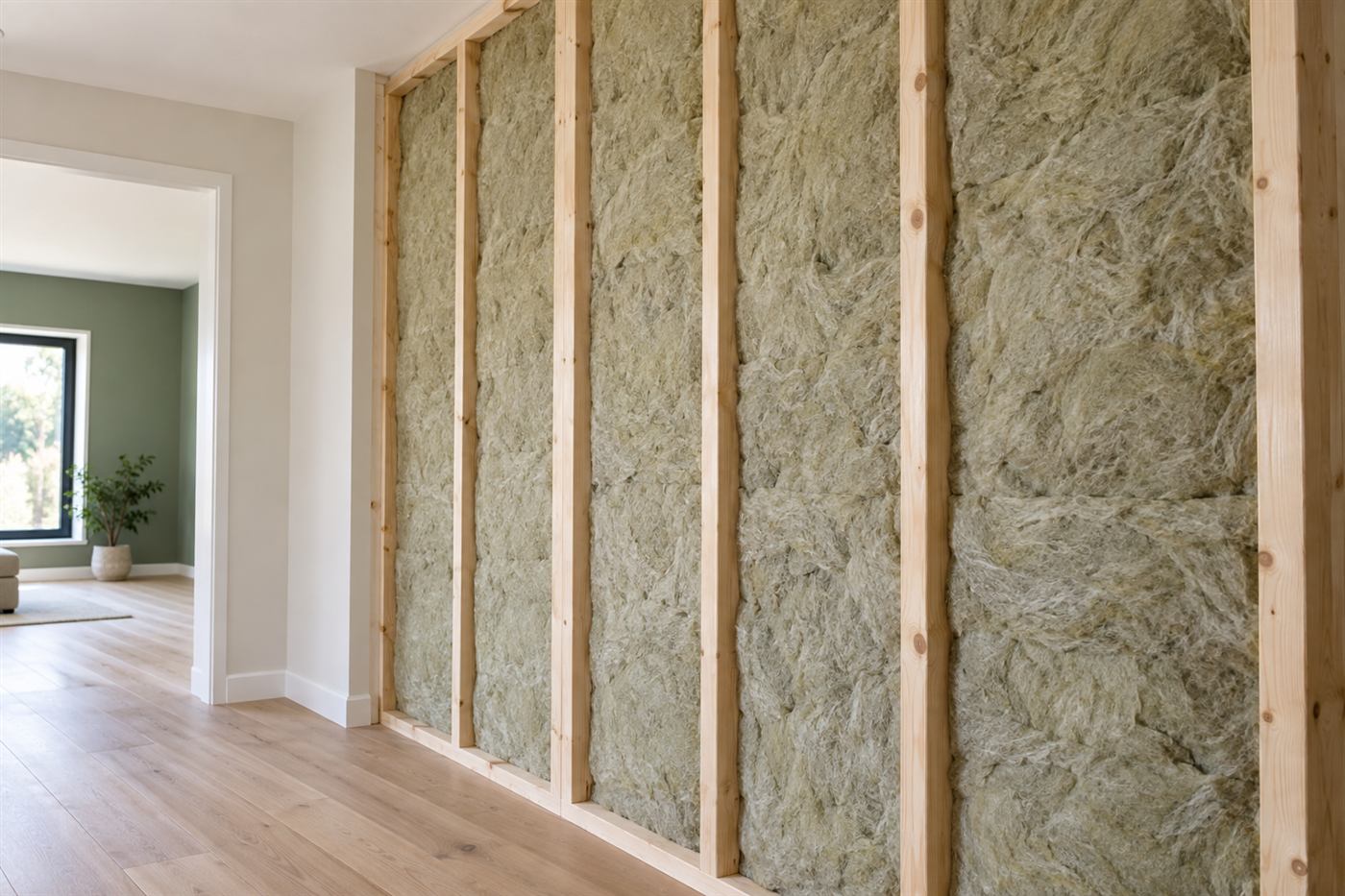
What sits under a Sunrise villa or townhome
A lot of Sunrise was built in the 1970s and 1980s as planned communities of villas, townhomes, garden apartments and single-family homes, many arranged around lakes, canals and golf courses. The usual construction is concrete block on a concrete slab, with frame second floors in the townhomes, shingle or tile roofs and stucco walls. Rows of units share walls and often share an attic.
On a slab, there is no hollow space under the floor, which means crawl space encapsulation has little to offer for most of these buildings. If a salesperson says otherwise, ask which space they will treat and how they plan to reach it.
A small number of buildings have exceptions. Some units have raised entries, patios or screened rooms built over a short void. Certain garden-style buildings have utility chases or storage areas at ground level. A few older single-family homes have additions on piers. Look for low vents, hatches in closets, or a step that makes one room sit higher. If you cannot find anything, a technician can often confirm from a description of the building and its age.
Shared walls and what they change
Living in a townhome or villa means your building is connected to others. The party wall between you and a neighbor is shared, and so are the roof, the attic space above and sometimes the drains and utility lines. That connection affects moisture, sound, heat and responsibility.
Moisture can travel from one unit to another along shared framing. A roof leak over a neighbor can soak insulation that runs across both attics. A plumbing leak in the next unit can wet the base of a shared wall. A damp smell in your closet may start on the other side of the wall, and you may not be able to fix it alone.
The practical result is that problems and solutions often involve the association and the neighbors. Document what you see with photographs and dates, tell the manager in writing and ask what is allowed. Do not drill, open or alter a shared wall without permission. Our condo insulation guide explains how owners and associations typically divide responsibility, and the same principles apply to many townhome communities.
Original insulation from the 1970s and 80s
Buildings from the 1970s and 80s were built before energy standards tightened. Attics often have thin batts or loose material that has settled, and many walls have little or no insulation. Over decades, roofs have been replaced, air conditioners swapped, ducts moved and attics walked on by various trades, and the original layer has been disturbed.
A technician looking at a Sunrise attic may find insulation that is compressed, patchy, stained or pushed aside. In shared attics, the layer may be inconsistent from unit to unit. Gaps around lights, ducts and wall tops let heat and humid air move through. Ducts may be wrapped with old material that has cracked or fallen off.
For many owners, this is the biggest opportunity. Topping up or replacing attic insulation and sealing air leaks can make a visible difference in comfort. See our attic insulation in Sunrise page for how the work goes and what to expect. In some townhomes, access to the attic is limited or shared, so coordination with the association and neighbors is part of the planning.
Humid air: how it gets into a building like yours
Humid air in a slab building takes several routes. Gaps in the envelope, such as around windows, doors, pipes and wall tops. Leaky ducts, which pull in attic air and push cooled air out. Door gaps and exhaust fans that depressurize the house. The air conditioner itself, which in an older unit may be oversized and cycle on and off without drying the air well.
In shared buildings, air also moves between units through the party wall, the attic and the chases that carry pipes. Smells from a neighbor's kitchen, cigarette smoke and damp odors can travel the same paths. Sealing these gaps helps with moisture, sound and odor, and it should be done carefully so that combustion appliances, dryers and bath fans still have safe air and exhaust.
If a room in your unit feels clammy, start by measuring humidity with a small hygrometer in that room and in the main living area. Compare the two. If the problem is isolated, look for a local source, such as a leaking pipe, a sweating duct or a blocked return. If the whole unit is damp, the air conditioner and ducts deserve a closer look. A technician can check the attic and ducts during a visit.
Noise between units and why it belongs in a moisture conversation
Sound travels through the same gaps that air does, and many Sunrise owners care about noise at least as much as moisture. Footsteps from above, voices through the party wall and a neighbor's television can all be reduced by sealing gaps and adding the right insulation, but it takes the right approach.
Our page on noisy walls between rooms and the soundproofing insulation guide explain what insulation can and cannot do. Fiberglass and mineral wool batts in a stud cavity absorb sound. Sealing the gaps around outlets, ducts and wall tops reduces leaks. Mass and separation matter more than anything for low-frequency noise, and no insulation cures a thin or broken wall.
Be realistic. Insulation helps but rarely makes a shared wall silent. Work on a party wall may need association approval and may not be permitted in some buildings. Talk to the manager before planning anything that opens a shared wall.
Golf-adjacent and lakeside communities
Many Sunrise communities sit beside golf courses and lakes. Those features bring pleasant views and a few moisture considerations. Irrigation systems on the course may spray near buildings. Lakes and canals raise the water table, and heavy rain can leave the ground saturated. Landscaping near lakes often holds moisture.
Look at the places where the course or lake meets your property. Is there a swale that carries runoff toward your wall? Do sprinklers wet the stucco or the slab edge? Does a retention area fill after storms? These details change how much water your foundation faces, whether you have a slab or a raised addition.
Association rules often cover landscaping, drainage and exterior changes. Small drainage fixes, such as extending a downspout, may need permission. Ask first. Neighbors also share swales and drains, so a fix on one property can affect another. Good cooperation saves time and avoids disputes.
If your building does have a raised space
In the few Sunrise buildings with a hollow area under part of the floor, the standard approach applies. A technician finds where water enters, whether from roof runoff, a leak, a condensate line or the ground. Wet material is removed, wood and metal are checked, and a heavy ground barrier is laid with seams overlapped and sealed and edges fastened. Vents are addressed according to the building and the rules.
In a shared building, the space under your unit may belong to the common elements, and any work needs the association's approval. Access may be through your unit or through a shared corridor or yard, and neighbors may need notice. A written scope and a clear schedule help.
Small spaces such as raised patios or entries are usually simple projects. The visit may reveal that the issue is a downspout or a leaking hose bib, not a large-scale problem. Keeping the scope proportionate is part of honest service.
What a technician checks in a Sunrise townhome or villa
At the visit, the technician asks about the symptoms and walks the exterior, checking grade, gutters, downspouts, irrigation and the roofline. Inside, they check the rooms you mention and take humidity readings. In the attic they look at insulation depth, gaps at penetrations, party wall tops, duct condition and signs of leaks.
In a shared attic, the technician notes where your unit ends and the neighbor's begins, and may recommend coordination if a problem crosses the line. They do not enter another unit without permission. If they see a leak that originates elsewhere, they will describe it so you can report it.
Photos and moisture readings support the findings. You should leave with a plain list of what is urgent, what is routine, and which items belong to others, such as a roofer, a plumber or the association. We would rather give you honest advice than a long list of work you do not need.
Three Sunrise examples
These sketches illustrate how a visit can go. They are not predictions for your unit.
A 1980s two-story townhome with a hot upstairs bedroom. The owner asks about the floor. The building is on a slab. The attic has thin original batts and a duct with a loose connection. The plan is sealing, an insulation top-up and a duct repair by the right trade, coordinated with the association.
A villa near a golf course with a musty hall closet. There is no crawl space. A sprinkler head sprays the wall and the gutter overflows at one corner. The owner redirects the sprinkler, extends the downspout and asks for an attic check, which finds damp insulation from an old roof leak. The roof is repaired and the insulation replaced.
A garden apartment owner who hears a neighbor's television. There is no moisture issue at all. The conversation turns to sealing gaps, what the association allows and realistic expectations about noise. Not every call is about moisture, and that is fine.
Hurricane season, roofs and the shared attic
In a townhome row, the roof is a shared problem. A storm that lifts shingles or cracks tile over one unit can send water into a continuous attic, and the water travels across party wall tops to the neighbors. By the time one owner sees a stain, several units may have wet insulation.
After a significant storm, check the attic from the hatch with a flashlight if you have access and it is safe. Look for dark patches, dripping, wet insulation and daylight. Do not walk on the ceiling drywall. If the attic is shared and locked, tell the manager promptly and ask for an inspection. Early action keeps the damage from growing. Water that sits in a shared attic does not stay in one unit, and a stain on a ceiling is usually the last sign, not the first. A short note to the manager with photographs and the date you noticed it gives the association what it needs to open a claim on the roof or to send a roofer, and it protects you if anyone later asks when the problem began.
Wet insulation loses its value and can hold moisture against framing for weeks. Our page on wet insulation after a hurricane explains what to do. Roof repairs belong to a roofer and usually to the association or owner of the roof, and they should come before new insulation. Take photographs and keep copies of every report and message for insurance.
Questions to settle with neighbors and the association
Because so much in a townhome community is shared, some questions are worth settling before work starts. Who owns the attic space above your unit, and who may enter it? Who is responsible for the roof, the party wall and the exterior walls? Can contractors use the common parking, and during what hours? What insurance and paperwork do contractors need to file?
Ask in writing and keep the replies. Boards and managers handle these questions regularly, and a clear request usually gets a clear answer. If your project touches a shared element, offer neighbors a short notice with the date, the scope and a contact number. People are much more patient with noise when they know what to expect.
If a neighbor's problem seems to be affecting you, such as a leak on the other side of a wall, report it calmly with photographs and let the association decide how to proceed. Do not enter a neighbor's unit or open a shared wall on your own. The right order is to document, report, wait for approval and then act. That order is slower than doing it yourself, but it protects you from disputes and liability.
Getting ready and how the call goes
Before calling, note the type of building, its age, the number of floors, whether you share an attic, and what you have noticed. Photos of damp spots, the attic hatch and any irrigation near the wall help. Mention your association and any rules you know about.
On the phone you will be asked about symptoms, construction and access. Straightforward work can be quoted by phone. A property with unknowns, or one that involves shared elements, needs an on-site visit, and there is a service call charge explained on the phone before dispatch. We do not publish prices here because the work depends on the building.
For the general process, see our main crawl space page and the Sunrise city page. If you smell gas, see sparking wires or find water around electrical equipment, treat it as an emergency and call 911 or the utility. When you are ready to talk through your unit, call and tell us what you notice.
Questions people ask
Do Sunrise villas and townhomes have crawl spaces?
Rarely. Most are concrete block on a slab with frame upper floors, so there is nothing hollow under the ground floor. A few raised patios, entries and older additions have small voids. Look for low vents or hatches. Describe the building and its age on the phone and we can help work out what to expect.
Can I insulate or open a party wall myself?
Not without permission. A party wall is shared structure, and altering it can affect fire separation, sound and your neighbor. Ask the association what is allowed. Work in a shared building usually needs written approval and a clear scope. A technician can look from your side and explain what is possible.
Will insulation make my shared wall quiet?
It helps but rarely makes a wall silent. Batts in the cavity absorb some sound, and sealing gaps reduces leaks, but low-frequency noise needs mass and separation. Be realistic and talk to the manager before planning work on a shared wall. Our soundproofing guide explains what to expect.
My closet smells damp but there is no crawl space. What is the cause?
Common sources are irrigation on the wall, a clogged gutter, a roof leak, plumbing, a sweating duct or humid air from a leaky system. In shared buildings the source can be next door. Take dated photographs, measure humidity and report it in writing. A visit can narrow down the cause before anyone buys anything.
Does the association need to approve attic work?
Often yes, especially when attics are shared or access is through common areas. Rules differ by community. Ask the manager what applies and keep the answer in writing. For permit questions, the city building department can explain what applies to your address in general terms.
How do I get a quote?
Straightforward work can be quoted by phone. A property with unknowns or shared elements needs an on-site visit first. A service call charge applies and is explained on the phone before dispatch. We do not list prices on this site. Call with the building type, age and what you have noticed.
Describe the situation by phone and we will tell you what the job involves. Quotes are given by phone. Jobs that cannot be quoted without seeing them need a technician on site, and the service call charge is explained on the phone before anyone is dispatched.
(561) 854-1888